Understanding Types, Costs, and Warranties of Wholesale Vending Machines
Sourcing equipment is the foundation of your automated retail venture. Navigating wholesale vending machines requires understanding the distinct categories available on the market, their associated price tags, and the warranties protecting your initial capital.
Whether you choose a brand-new unit or a restored machine, balancing upfront capital against long-term maintenance costs determines your ultimate return on investment.
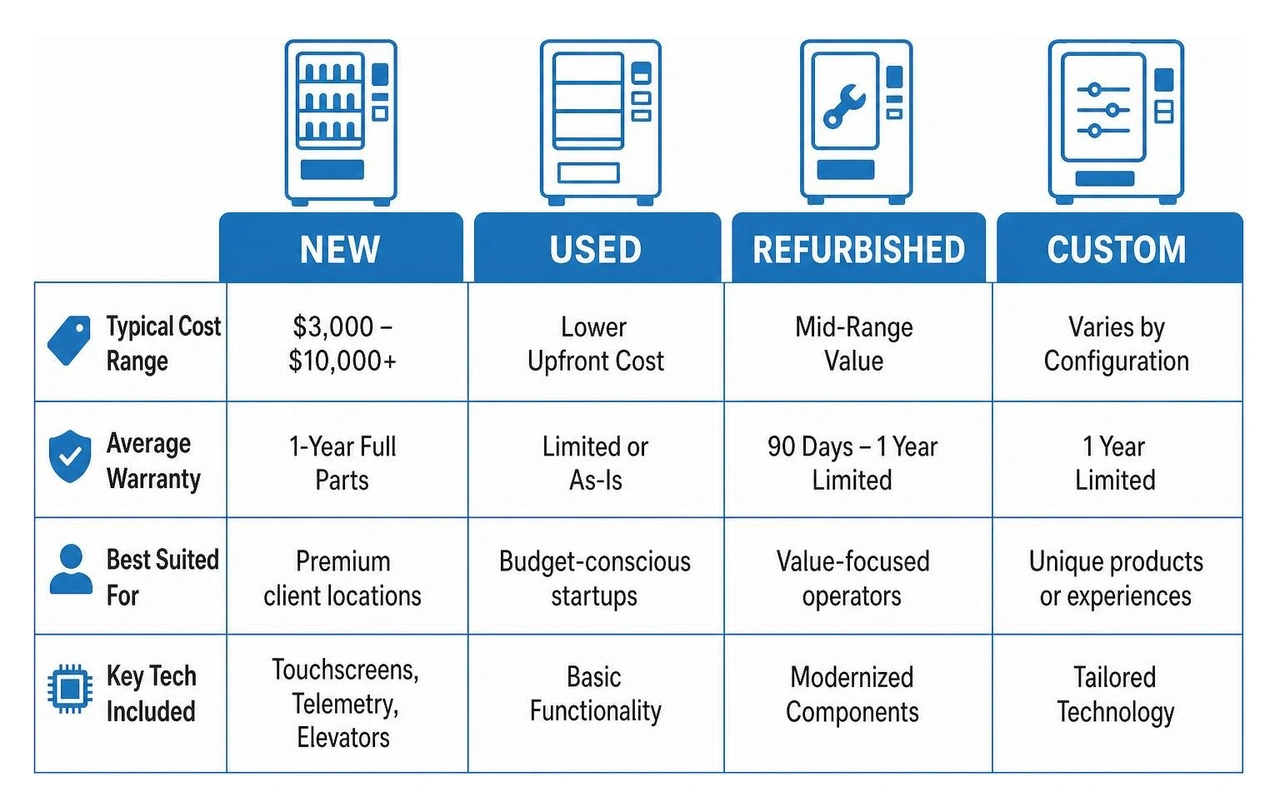
| Machine Type | Typical Cost Range | Average Warranty | Best Suited For | Key Tech Included |
|---|---|---|---|---|
| New | $3,000 – $10,000+ | 1-Year Full Parts | Premium client locations | Touchscreens, Telemetry, Elevators |
| Refurbished | $1,995 – $4,795 | 3 to 6 Months Parts/Labor | High-traffic, budget scaling | Drop sensors, Card upgradable |
| Used (As-Is) | $1,000 – $2,500 | None / As-Is | Experienced technicians | Basic mechanical or legacy MDB |
| Custom / Smart | $5,000 – $12,000+ | 1-Year Full Parts | Specialized retail & housing | Custom wraps, OMNI retail platforms |
New vs. Used Wholesale Vending Machines
When expanding your portfolio, deciding between new and used wholesale vending machines comes down to technology requirements and initial working capital.
- New Vending Machines: Brand-new units provide long-term reliability and the latest hardware, such as energy-efficient refrigeration units, elevator delivery systems, and responsive touchscreen interfaces. They typically include a full 1-year parts warranty. While new units require a higher initial capital outlay ($3,000 to $10,000+), they minimize technical glitches and build immediate trust with premium host locations.
- Refurbished Equipment: Fully refurbished machines bridge the gap between cost and reliability. Reputable distributors inspect, clean, paint, and replace worn internal components. Refurbished models start around $1,995 for basic snack or soda setups and scale up to $4,795 for advanced robotic-arm glass-front vendors. They usually come backed by a 3-month to 6-month parts and labor warranty, providing peace of mind at a fraction of the cost of new equipment. Operators looking for restored local equipment often explore trusted refurbishers to source reliable glass-front units.
- Used Equipment: Purchasing used units directly from secondary sellers cuts upfront costs significantly, but it carries higher risks. Used machines rarely include warranties, and aged internal components like coin mechanisms, bill acceptors, or cooling compressors may need immediate repairs.
Startup Investment and Financing Models
Starting an automated retail business involves costs beyond the physical machine. A complete startup breakdown for a single unit typically includes:
- Machine Procurement: $1,995 – $6,000 depending on model condition.
- Initial Inventory: $500 – $1,000 to fully stock shelves with high-turnover goods.
- Cashless Reader Hardware: $300 – $800 for card reader retrofit kits and telemetry integration.
- Working Capital & Licensing: $200 – $500 for local permits and operational buffer.
To manage these costs, operators utilize structured equipment financing, equipment leases, or revenue-sharing models. Revenue sharing allows operators to place machines at zero upfront cost to host locations while sharing 5% to 15% of gross profits with the facility manager.
If you are looking to scale affordably, reviewing strategic pricing options helps calculate dynamic payback periods and lease financing structures.
Essential Smart Technologies for Modern Machines
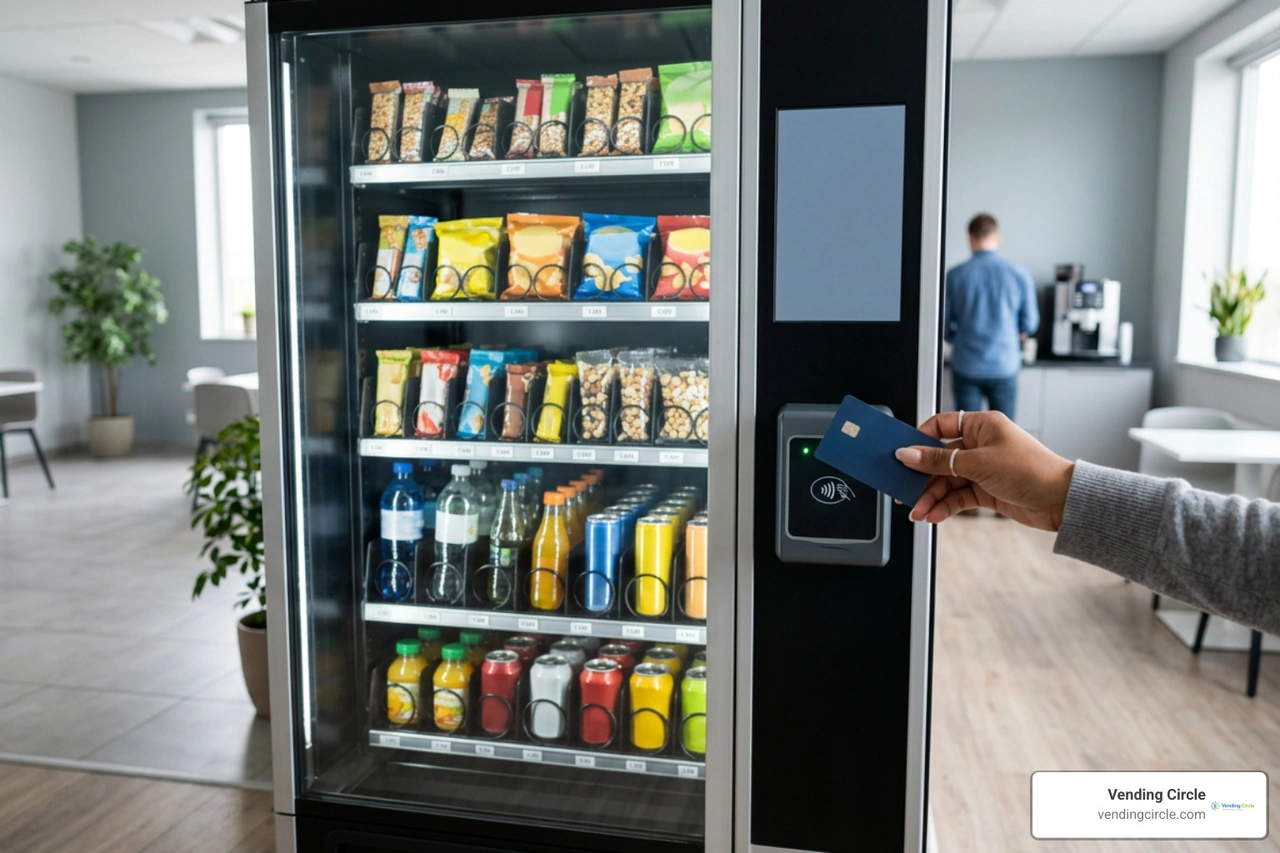
Modern automated retail relies on smart technology. Gone are the days of kick-testing a coin-operated box that ate someone's dollar bill. Modern wholesale vending machines function as connected, micro-retail kiosks.
Key technological features to look for include:
- Guaranteed Vend Sensors: Optical drop sensors mounted in the delivery bin verify whether a product has fallen. If a product fails to drop, the machine attempts a secondary spin or allows the customer to pick another item or cancel the transaction. This eliminates refund disputes and keeps host locations happy.
- Telemetry Systems: Built-in cellular telemetry transmitters send real-time operational data directly to your phone or desktop computer. You can view sales figures, temperature stability, and machine errors remotely.
- Remote Inventory Tracking: Telemetry tracks product depletion instantly, eliminating the need to guess what is sold before driving to a location.
Maximizing Revenue Through Cashless Payments
Equipping machines with card readers and mobile app capabilities (Apple Pay, Google Wallet) directly drives total sales volume. Over 70% of modern consumers prefer paying with cashless methods rather than physical cash.
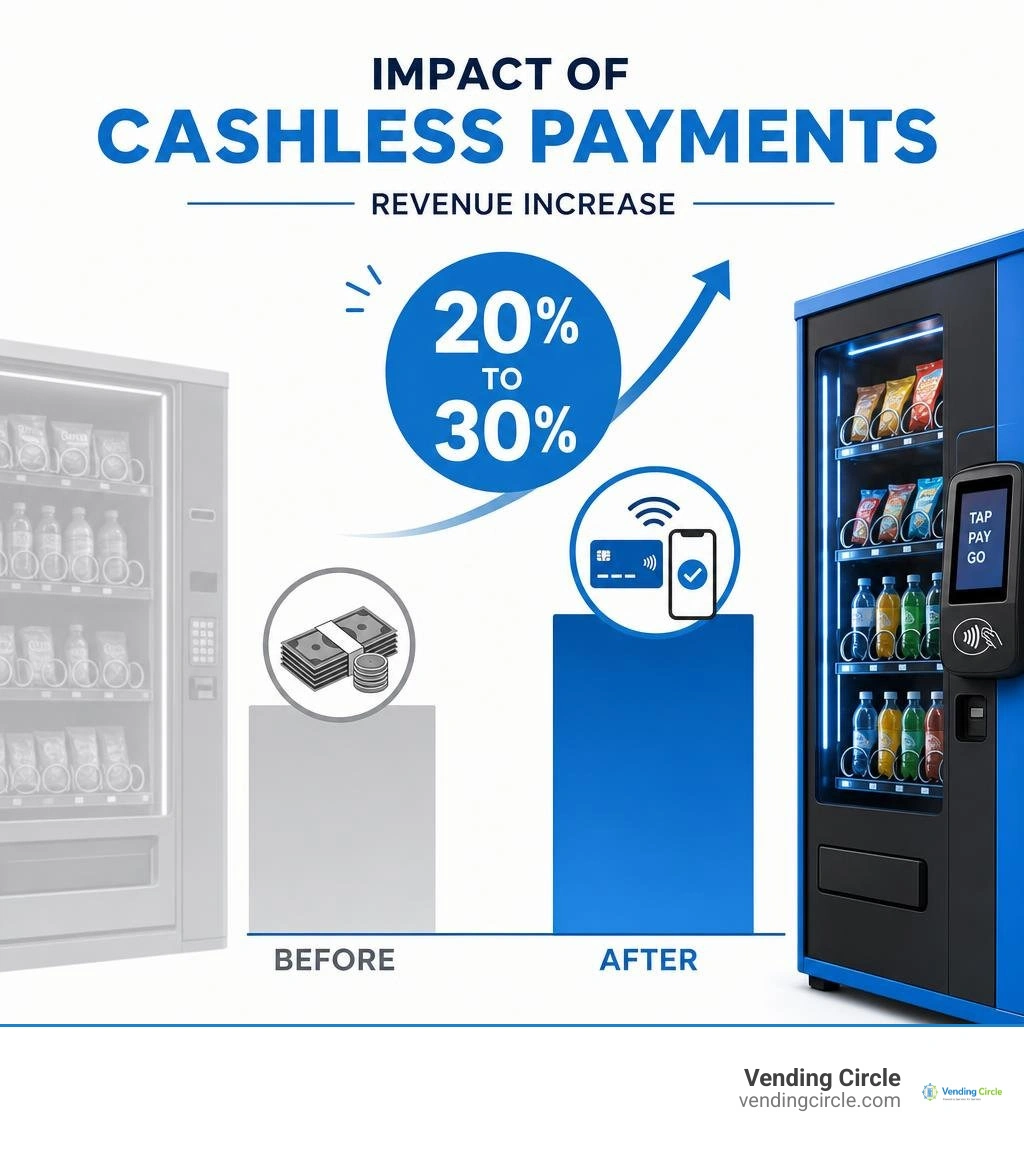
Integrating cashless payment readers regularly increases overall sales by 20% to 30%. Customers spend more per transaction when using cards or mobile phones compared to searching their pockets for exact change. Retrofitting an older machine with credit card readers costs between $300 and $800, a modification that frequently pays for itself within the first few months of deployment.
Profitability, Locations, and Product Mix Optimization
A single well-placed vending machine in high-traffic spots generates $300 to $1,500 monthly. Achieving the top end of that earnings spectrum requires matching your product selection directly to the surrounding foot traffic.
According to NAMA industry metrics, traditional operators enjoy a median gross profit margin of roughly 50%. Because cold beverages and snacks account for over 70% of total industry revenue, balancing high-turnover goods with high-margin items optimizes overall profitability.
To browse physical inventory configurations, explore our wide selection of available machine inventory designed for high-density environments.
Product Strategies for High-Traffic Wholesale Vending Machines
Building a high-performing product mix requires balancing "penny profit" items (fast-moving products with moderate margins) alongside "dollar profit" drivers (slower-moving products with high margins).

Top-performing inventory categories include:
- Salty & Sweet Staples: Single-serve chip bags, pretzel snacks, and standard chocolate bars offer massive brand recognition and sell consistently day after day.
- Functional Beverages & Energy Drinks: Premium energy drinks, iced coffees, and sparkling functional waters sell for $3.00 to $4.00, yielding much higher dollar profits than standard $1.50 sodas.
- Nutritious & Protein Options: Granola bars, protein bars, beef jerky, and mixed nuts appeal to health-conscious consumers and fitness enthusiasts. Beef jerky, for instance, routinely commands gross margins above 55%.
- Niche & Fresh Goods: Over-the-counter essentials, electronics, phone chargers, and personal care products serve immediate lifestyle needs in high-density residential settings.
Optimizing your planogram (the arrangement of products inside the machine) is equally crucial. Place your highest-margin drivers at eye level, where impulse buyers look first, while positioning heavy-volume staples along the lower shelves.
Tailoring Inventory to Specific Location Types
Different host environments exhibit completely different consumer behaviors:
- Office Breakrooms: Require a balanced mix of traditional candy, premium coffee drinks, sparkling waters, and healthy lunch alternatives. Workers seek energy boosts during afternoon slumps.
- Apartment Complexes: Function best as 24/7 convenience hubs. Stock quick meal replacements, late-night snacks, laundry pods, OTC medicines, and specialty drinks. High-density residential spaces represent one of the most underutilized markets in automated retail.
- Student Housing & Dorms: Focus heavily on late-night snacks, instant microwave meals, salty snacks, and high-caffeine energy drinks. Restock these machines weekly due to higher turnover.
For deeper insights into refining your route operations, check out our comprehensive industry guide articles.
Operations, Maintenance, and Data-Driven Management
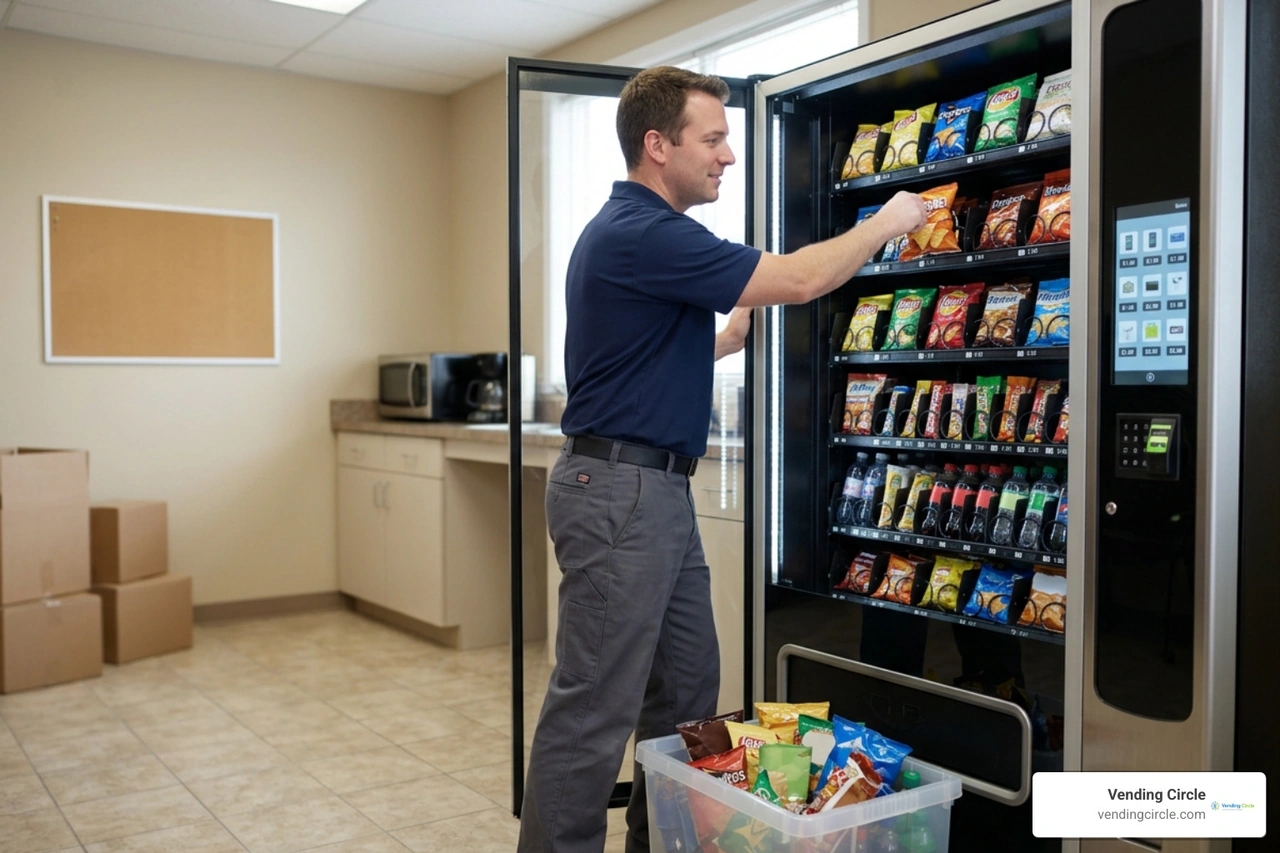
Running a lean automated retail business requires moving away from fixed weekly schedules and transitioning toward data-driven management.
When you track live sales data through smart telemetry software, you can optimize your routes efficiently:
- Dynamic Routing: Instead of visiting every machine on a rigid, predetermined schedule, check remote telemetry dashboards to build route schedules based strictly on machines that need inventory.
- Eliminating Out-of-Stocks: Stocking your machine before top-selling slots run completely empty ensures you never lose potential sales volume.
- Preventative Maintenance: Telemetry units monitor internal refrigeration temperatures and report mechanical jams immediately, allowing you to fix issues before inventory spoils or customers encounter an out-of-order machine.
- Cleaning & Sanitize Routine: Keeping machine glass crystal clear, wiping down keypads, and verifying delivery bins are free of debris builds long-term customer trust and maintains professional relationships with site managers.
Frequently Asked Questions About Wholesale Vending Machines
How much monthly profit can a single wholesale vending machine generate?
A well-placed machine in a high-traffic location like an office, hospital, or student housing complex typically generates between $300 and $1,500 in monthly gross revenue. Considering the industry median gross margin of 50%, a machine netting $1,000 in monthly sales yields approximately $500 in gross profit before factoring in location commissions and transaction fees.
Is it better to buy new or refurbished wholesale vending machines?
If you have limited startup capital, purchasing refurbished units (ranging from $1,995 to $4,795) provides drop sensors and modern payment capabilities at a lower upfront cost. However, if you are bidding on high-end corporate accounts or luxury residential facilities, investing in new units ($3,000 to $10,000+) offers long-term operational reliability, modern aesthetic designs, and full manufacturer warranties.
What payment technologies yield the highest sales boost?
Adding cashless payment terminals that accept credit cards, debit cards, Apple Pay, and Google Wallet provides the largest measurable sales increase. Industry research confirms that installing cashless readers increases sales volume by 20% to 30% over cash-only machines.
Conclusion
Investing in wholesale vending machines offers a scalable, low-overhead entry into automated retail. By sourcing reliable equipment, retrofitting machines with cashless technology, and using data analytics to curate your product selection, you can build a highly profitable machine network.
Success in automated retail isn't just about buying hardware — it's about learning operational strategies and securing lower supply costs. At Vending Circle, we bring operators together inside a vibrant online community. Members gain access to weekly live Q&As, step-by-step training courses, peer networking, and direct manufacturer pricing that protects operating margins.
Ready to take your automated retail venture to the next level? Join our community today to connect with active operators and explore modern machines ready to fuel your fleet growth.