Where Is the Best Place to Buy a Vending Machine?
For a beginner, the best place to buy a vending machine is a specialized dealer or local distributor that can explain the warranty, confirm card-reader compatibility, and help with delivery and repairs. A used machine from an operator or online marketplace may cost less, but inspect it and test every selection before paying.
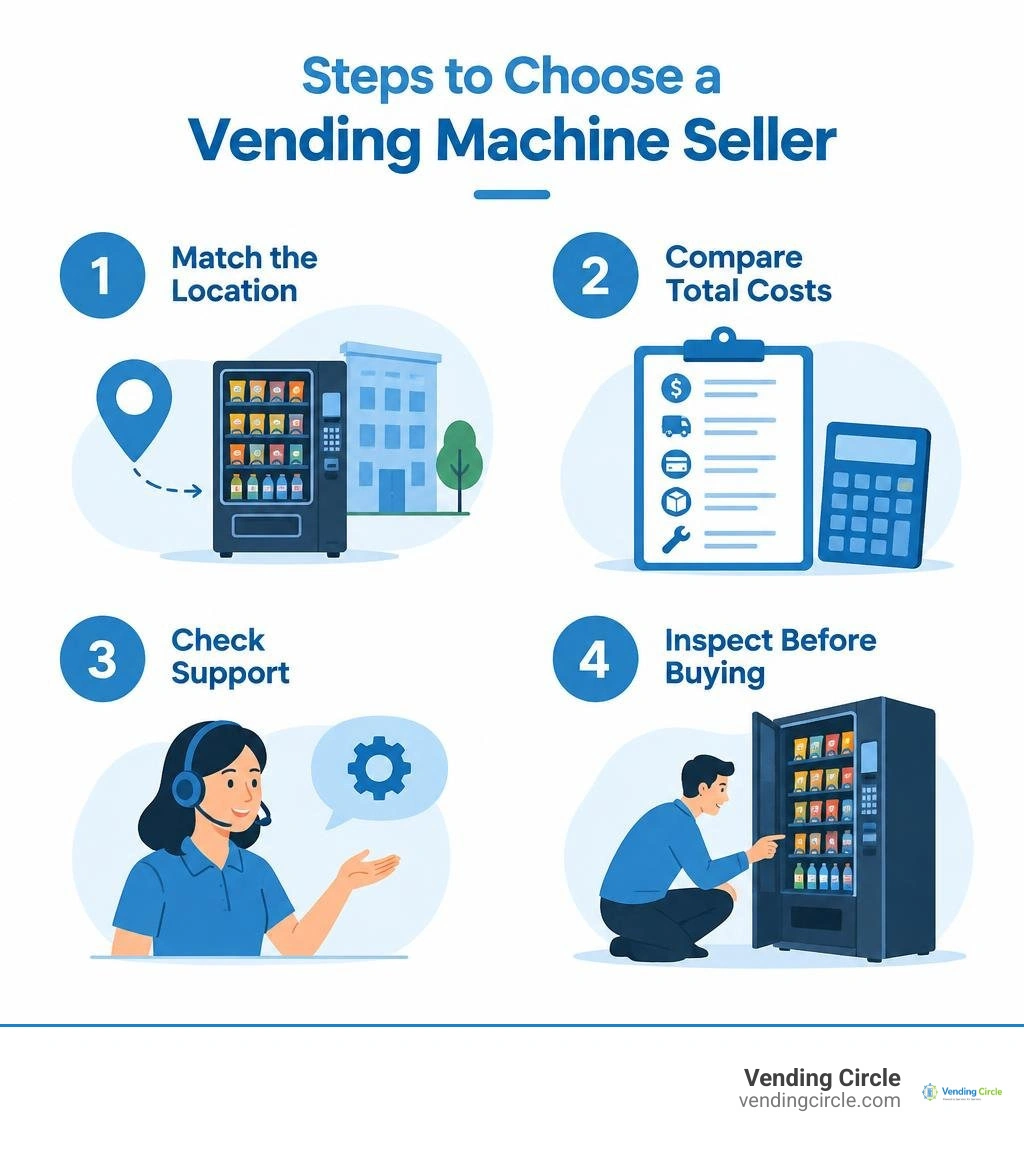
Start with the location you plan to serve. Then compare the full cost of machines that fit it: purchase price, freight, card reader, opening inventory, and a repair reserve.
I'm Manuel Mojica, founder of Vending Circle and a former healthy-vending operator. I use that experience to help operators find the best place to buy a vending machine for their route, starting with the buying options below.
Handy best place to buy a vending machine terms:
- finding a location for a vending machine
- great locations for vending machines
- places looking for vending machines
Sourcing Channels: Finding the Best Place to Buy a Vending Machine
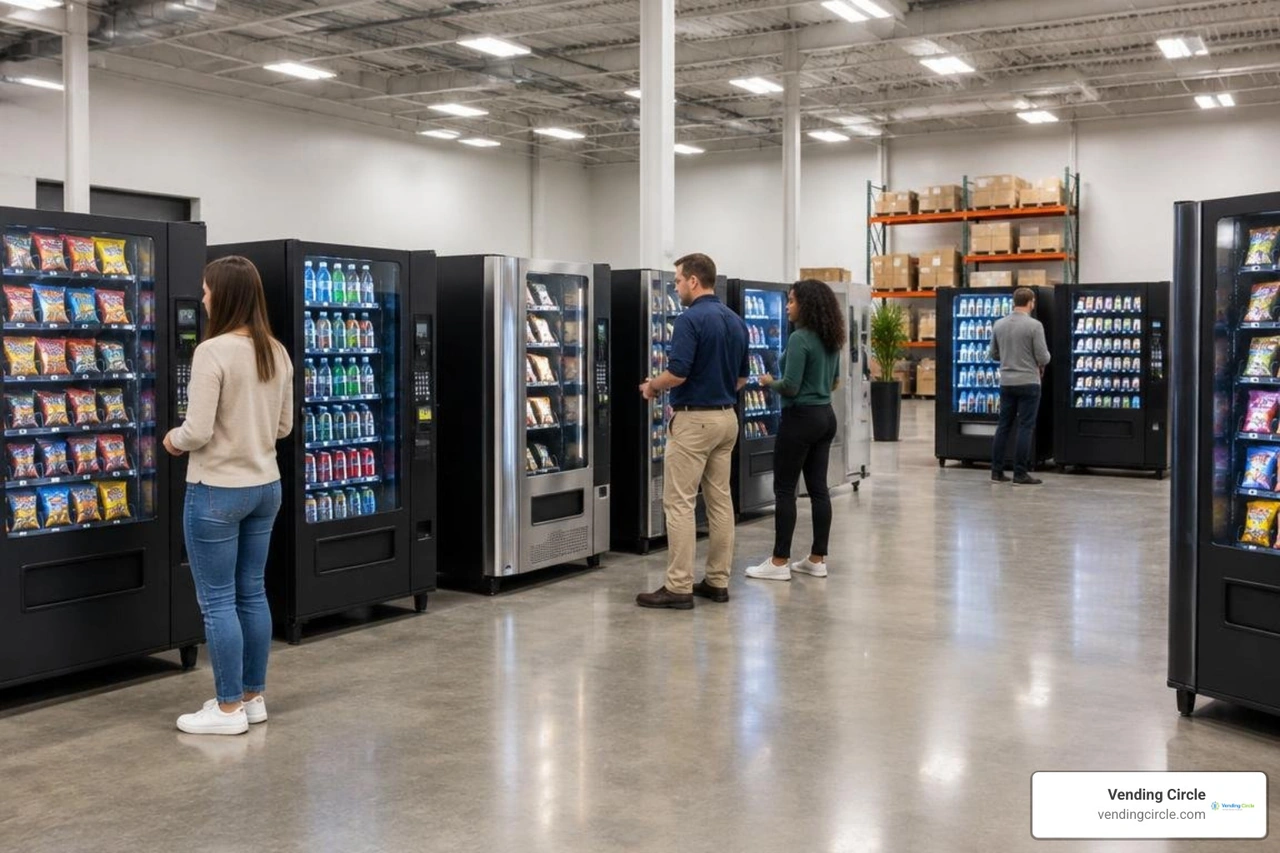
When establishing your route, your choice of equipment supplier dictates your upfront capital expenditure, warranty protections, and long-term operational headaches. Sourcing hardware is not a one-size-fits-all process; a high-traffic corporate headquarters requires a different equipment standard than a remote auto repair shop.
To help you decide between equipment suppliers, certified refurbishers, established routes, and private sellers, we have summarized the core buying channels below:
| Sourcing Channel | Typical Price Range (2026) | Warranty & Support | Best Suited For | Key Risk Factor |
|---|---|---|---|---|
| Authorized Distributors | $4,500 – $9,500+ | 1–2 Year Factory Warranty + Dedicated Tech Support | High-profile accounts, hands-off operators | High upfront capital expenditure |
| Certified Refurbishers | $1,500 – $4,500 | 30–90 Day Parts Warranty + Phone Support | Beginners testing locations on a budget | Potential cosmetic wear, shorter warranties |
| Route Acquisitions | $2,500 – $10,000+ (per location) | None (transferred operating contracts) | Operators seeking immediate cash flow | Overvaluing declining accounts |
| Peer-to-Peer Marketplaces | $800 – $2,200 | As-Is (No Warranty) | DIY operators with mechanical troubleshooting skills | Hidden mechanical, board, or cooling failures |
Authorized Wholesale Distributors and Dealers
Authorized wholesale distributors and factory-direct dealers supply brand-new equipment directly from premier manufacturers like AMS, Crane, and Seaga. These dealers serve as the gold standard for operators who prioritize long-term hardware reliability over initial capital savings.
When you purchase from an authorized dealer, you receive a full factory warranty (frequently covering critical components for one to two years), direct access to original equipment manufacturer (OEM) replacement parts, and dedicated freight delivery with liftgate services. Reputable dealers also provide initial technical onboarding, walking you through control board programming, price setting, and coin mechanism calibration.
For a complete breakdown of procurement networks, consult our vending machine suppliers guide and explore standard wholesale purchasing channels to compare volume terms.
Certified Refurbished Equipment Suppliers
Certified refurbishers take commercial units coming off lease or primary commercial routes and rebuild them to factory operating specifications. The reconditioning process involves stripping the cabinet, replacing worn wiring harnesses, testing internal sensors, overhauling refrigeration decks, and updating control boards to modern Multi-Drop Bus (MDB) standards.
Buying refurbished balances cost efficiency and risk management. A certified refurbished machine generally includes a 30- to 90-day parts warranty alongside lifetime phone-based technical support from the rebuilding facility. When vetting refurbished equipment, ensure the seller provides cosmetic grading reports and confirms the control board supports DEX telemetry ports. Review our thorough used equipment checklist before finalizing a refurbished order.
Turnkey Route Buyouts from Retiring Operators
One of the most efficient strategies for entering the industry is buying an operating route directly from an operator who is retiring or downsizing. Rather than purchasing unplaced hardware and hunting for real estate, you acquire functioning machines already placed inside active commercial accounts.
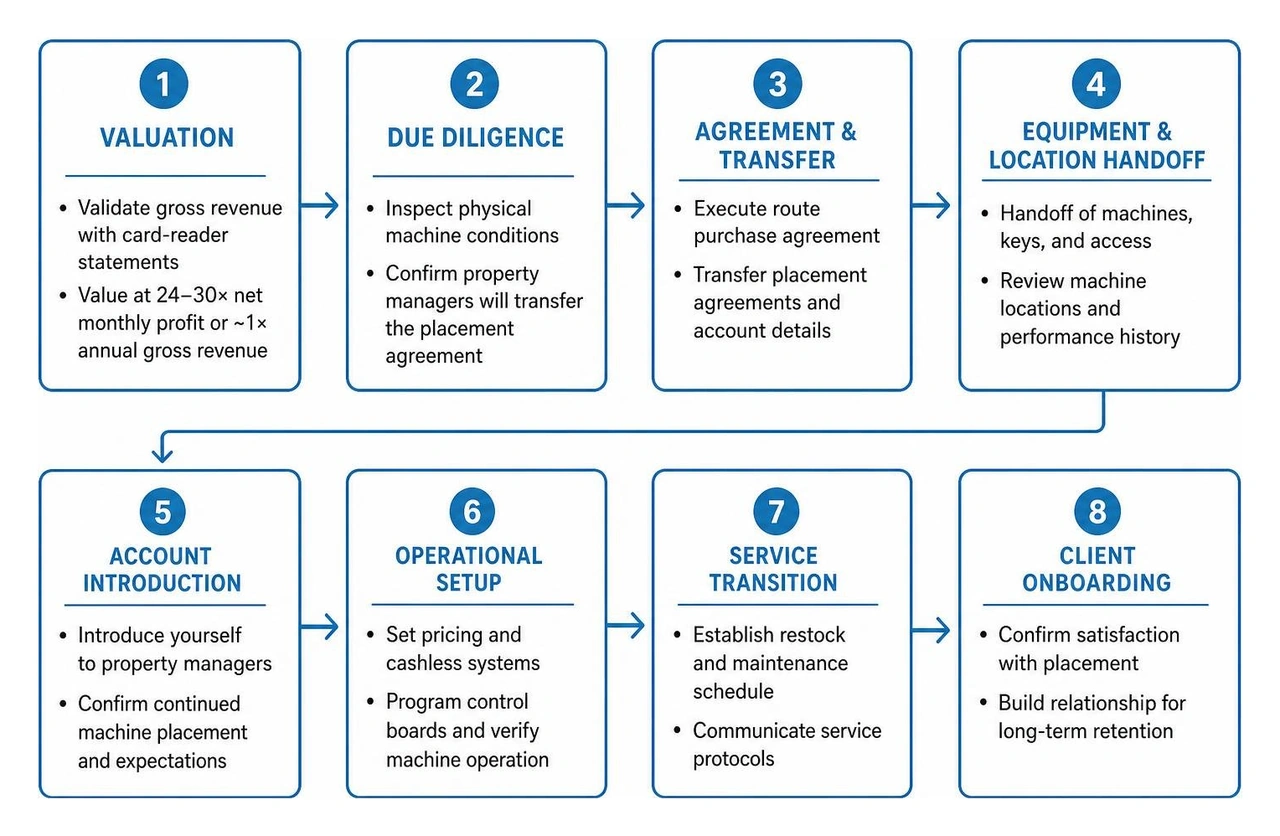
Route acquisitions provide immediate day-one revenue, historical sales verification, and established customer foot traffic. In medical outpatient facilities, a placed combo unit routinely yields $1,200 to $1,800 monthly, while premier apartment buildings can generate over $2,500 monthly. Valuations for operating routes commonly range between 24 and 30 times net monthly profit, or roughly one times annual gross revenue.
When considering purchasing an established route, validate gross revenue through card-reader statements, inspect physical machine conditions, and confirm property managers will transfer the placement agreement. You can begin sourcing routes for sale by networking with local vendors or reviewing specialized asset brokers.
Peer-to-Peer Online Marketplaces and Classifieds
Platforms like Facebook Marketplace, Craigslist, and eBay provide access to used machines sold by private parties at significant discounts. A working combo unit manufactured between 2010 and 2018 often lists between $900 and $1,800 on peer-to-peer marketplaces.
However, classified listings carry the highest operational risk. Private sellers rarely offer warranties, return policies, or freight assistance. Never wire funds or pay upfront without a hands-on, multi-point evaluation.
When inspecting classified hardware, execute a structured testing routine:
- Cabinet & Frame: Check for structural integrity, rust near the base, and tight refrigeration door seals.
- Electronics & Control Board: Verify that the logic board runs on modern MDB protocols rather than obsolete logic systems.
- Vending Motors: Run a diagnostic test vend on every single tray, spiral, and motor.
- Cooling Assembly: Confirm the refrigeration compressor runs smoothly, cycling down to a steady 34°F to 40°F without rattling.
Machine Types and Expected Price Ranges in 2026
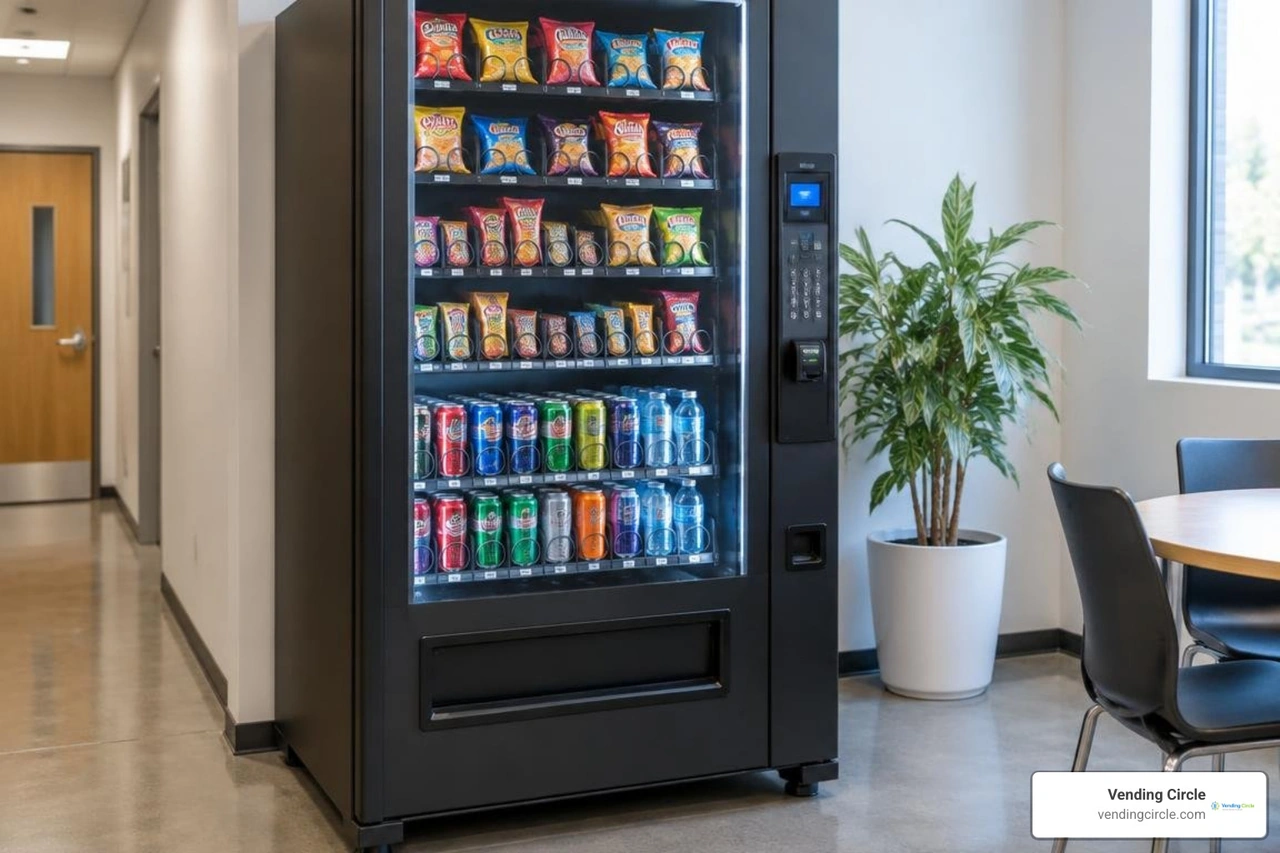
Understanding equipment pricing dynamics across various categories ensures you allocate your startup capital effectively. A comprehensive vending machine pricing breakdown reveals that prices depend heavily on refrigeration capacity, product capacity, and smart connectivity.
Evaluating the Best Place to Buy a Vending Machine by Equipment Category
Equipment selection must mirror the specific demands of your target account:
- Ambient Snack Units: Standard snack machines store non-perishable chips, pastries, and candy bars at ambient room temperature. Refurbished models run between $1,500 and $2,500, while new units range from $4,600 to $8,300.
- Dedicated Cold Drink Units: Can and bottle dispensers utilize heavy-duty cooling units to keep carbonated beverages, energy drinks, and waters at cold temperatures. Refurbished models cost $1,300 to $5,000, while new glass-front commercial units range from $5,300 to over $9,700. If beverages match your foot traffic, look to buy a drink machine from a specialized supplier.
- Combination Snack and Drink Units: Combo units house refrigerated beverages on bottom shelves and ambient snacks on upper shelves inside a single footprint. They are the premier option for accounts with 50 to 150 daily visitors. Refurbished combos run $5,000 to $5,300, while new units sell for $5,200 to $11,000. Browse verified combo vending machines to find space-efficient options.
- Bulk Candy & Mechanical Dispensers: Mechanical bulk dispensers require no electricity and vend gumballs, nuts, or small novelty items. Operating entry costs are low, with units starting under $300. Explore bulk candy setups if you want an entry-level side hustle.
- Smart Coolers and Micro-Markets: AI-powered grab-and-go coolers cost between $3,300 and $6,900, while self-checkout micro-market bundles range from $3,600 to $19,100 for high-headcount corporate campuses.
New vs. Refurbished Price Realities and Total Cost of Ownership
Looking strictly at the sticker price ignores the true cost of getting a machine operational. Every equipment purchase involves logistical and preparatory expenses that impact your overall cash reserves.
Reviewing comprehensive equipment operating costs highlights that getting a commercial machine operational requires several supplementary investments:
- Freight & Liftgate Delivery: $350 – $700 depending on transit distance and location access.
- Cashless Telemetry Hardware: $300 – $400 for an MDB-compatible credit card reader and antenna.
- Opening Inventory: $300 – $750 in wholesale snacks, sodas, and energy drinks to fully stock spirals.
- Working Repair Reserve: $300 – $500 set aside for unforeseen mechanical tune-ups or spare coin tubes.
Critical Features to Verify Before Buying
Purchasing outdated machinery creates persistent operational headaches. Modern consumers rarely carry physical pocket change, and legacy bill acceptors frequently reject folded currency. Modern equipment requires hardware standards that protect against lost sales and system errors.
Cashless Payment Hardware and Remote Inventory Telemetry
Cashless readers that accept debit cards, credit cards, Apple Pay, and Google Wallet are standard requirements across the modern convenience services industry. Installing telemetry card readers regularly lifts gross machine revenue by 30% to 50% compared to cash-only machines.
Beyond payment flexibility, remote inventory telemetry hardware connects your machine’s DEX port directly to cloud software. You can monitor live revenue, track product stock levels, view coil jam errors, and generate efficient restocking pick-lists from your smartphone. When sourcing equipment, look to invest directly in machines with integrated card readers to minimize retrofitting labor. For technical standards on payment interfaces and connectivity protocols, review the guidelines established by the National Automatic Merchandising Association.
Financing Programs and Warranty Coverage
Preserving working capital allows you to secure multiple locations simultaneously rather than tying up your liquid cash in a single machine. Leading distributors provide equipment lease-to-own programs and installment financing for qualified buyers.
Exploring structured equipment financing strategies enables operators to fund a $5,000 combo machine for approximately $120 to $200 per month. If your machine earns $1,200 monthly in a medical lobby, the unit easily services its debt obligation while generating steady net operating profit.
When evaluating financing contracts, verify warranty protections:
- Parts Coverage: Does the supplier cover expensive items like refrigeration compressors and logic boards for at least 90 days?
- Technical Support Access: Does the seller provide direct-line phone access to diagnostic technicians during weekday operating hours?
- Return Policies: What restocking fees and freight liabilities apply if equipment arrives damaged or fails diagnostic checks?
How to Choose the Best Place to Buy a Vending Machine for Your Route
Selecting a reputable equipment vendor protects you from predatory sellers who flip damaged hardware. Follow this structured roadmap when evaluating suppliers:
- Verify Published Pricing: Favor suppliers that display direct equipment prices online over dealers that require manual quote forms for standard models.
- Evaluate Review Platforms: Review third-party ratings across the Better Business Bureau, Trustpilot, and industry forums. Watch out for recurring complaints regarding delivery delays or unfulfilled parts warranties.
- Confirm Protocol Compatibility: Ensure any pre-owned or refurbished machine runs standard MDB firmware (version 3.0 or higher) and includes an active DEX port for telemetry integration.
- Confirm Freight Terms: Ensure freight shipping quotes include residential liftgate services, scheduled delivery notifications, and comprehensive transit insurance.
For an exhaustive step-by-step breakdown of procurement logistics, follow our step-by-step equipment purchasing guide.
Frequently Asked Questions About Buying Vending Machines
How much capital is needed to buy a first vending machine?
To launch your first route safely, budget between $2,000 and $3,500 for a quality refurbished setup. This capital budget covers $1,200 to $1,800 for an MDB-compatible refurbished combo or snack machine, $350 to $400 for a cashless telemetry reader, $300 to $500 for initial wholesale product inventory, and a $400 emergency maintenance reserve. If purchasing brand-new commercial equipment, plan for a total investment budget of $6,000 to $8,500.
Can older pre-owned machines be upgraded with card readers?
Yes, provided the machine's control board supports the Multi-Drop Bus (MDB) communication standard. Machines built after 2000 typically feature native MDB support, allowing you to install a credit card reader in under 30 minutes for $300 to $400. For older legacy machines running Micromech or pulse-based boards, you must first install an aftermarket MDB converter harness board ($120 to $200) before attaching the reader.
Is it better to buy equipment online or through a local dealer?
Local dealers are generally the best choice for beginners because they provide hands-on machine inspections, local delivery, and accessible local repair technicians. However, reputable nationwide online suppliers often maintain wider inventory selections, lower base prices, and transparent financing packages. If buying online, ensure the supplier provides a parts warranty and phone-based technical onboarding.
Conclusion
Building a successful vending operation requires matching reliable equipment with high-quality locations. A low-cost classified machine loses its appeal quickly if an unverified refrigeration deck fails during its first week of operation. Conversely, overspending on brand-new hardware for an unproven, low-traffic venue unnecessarily strains your cash flow.
At Vending Circle, our community and marketplace help operators skip the costly trial-and-error phase. Through our weekly live Q&A sessions, step-by-step masterclasses, and vibrant member network, we connect you with proven strategies and discounted procurement channels. When you are ready to expand your route with reliable hardware, explore curated machines and verified vendor options to build a sustainable, profitable vending business.