
Market Segmentation by Product Category, Technology, and Payment Channels
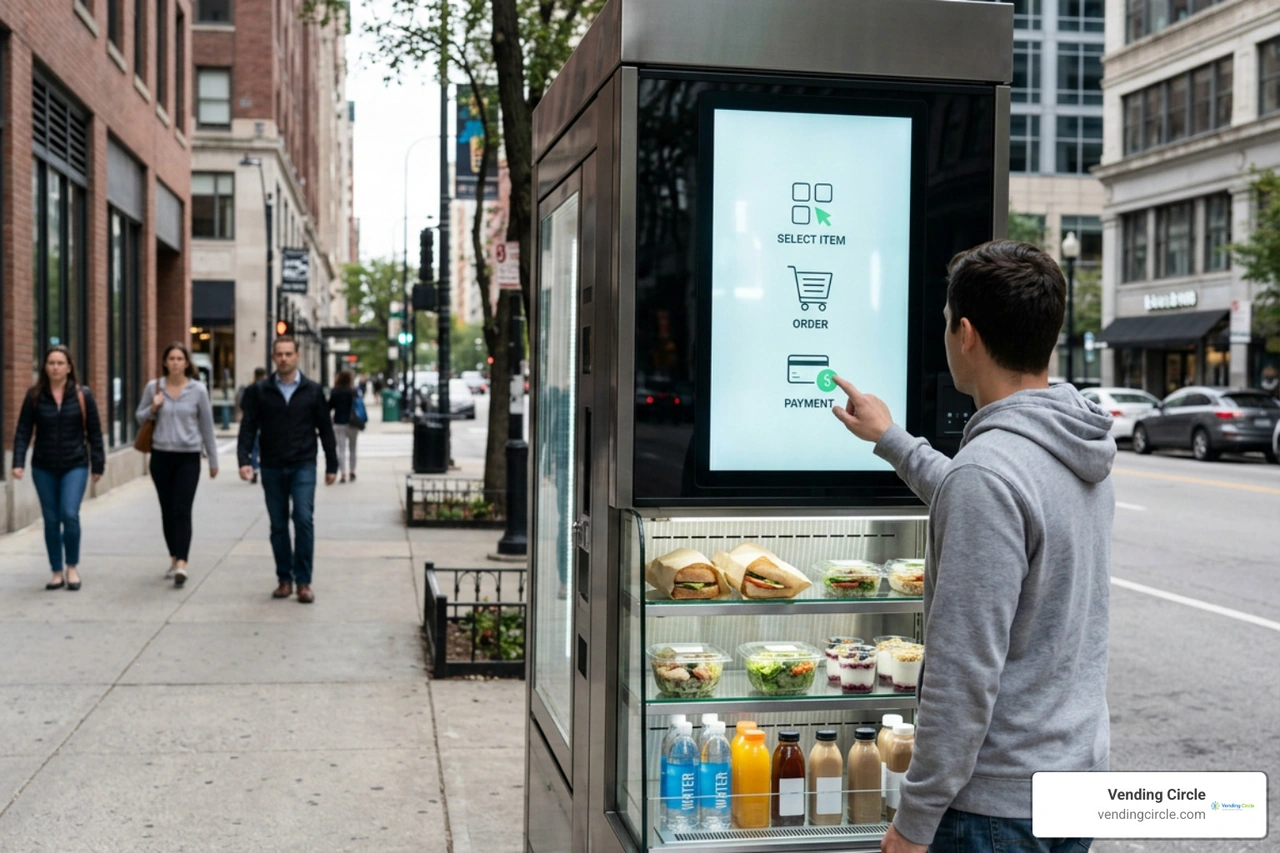
The vending machine market is booming due to rising commercial rents and labor costs in traditional brick-and-mortar retail, paired with the rapid transition to smart, cashless IoT kiosks that deliver resilient unit-level gross margins. Unattended automated kiosks provide 24/7 access with minimal physical overhead, while onboard telemetry and digital payments drive higher transaction volumes and streamlined replenishment.
According to the Vending Machine Market Size, Share & Trends Report 2034, the broader automated dispensing sector reached a global valuation of USD 76.44 billion in 2025 and is projected to expand to USD 105.59 billion by 2034, advancing at a compound annual growth rate (CAGR) of 3.66%.
Parallel studies tracking retail-specific segments reflect even more aggressive expansion. Research by Technavio highlights that the core smart retail kiosk domain is tracking at high double-digit momentum, while the broader latest vending machine industry statistics show steady, resilient expansion across traditional commercial corridors, institutional environments, and urban centers.
Evaluating Macro Drivers Across the Vending Machine Market
The global expansion of automated merchandising is underpinned by several macro-level structural shifts:
- Accelerating Urbanization and Transit Density: As urban populations swell, high-density transit corridors (subways, airports, train hubs) demand frictionless, round-the-clock food and essential product access.
- Labor Offsets and Operational Agility: Unattended kiosks operate 24/7 without shift premiums, staffing challenges, or hourly wage inflation.
- Cashless and Contactless Norms: The post-pandemic shift toward tap-to-pay interfaces has eliminated transaction friction, boosting average basket sizes by 15% to 25%.
- Data-Driven Replenishment: As outlined in the Vending Machine Market Size, Industry Share, Growth & Research Report 2031, integrating AI-driven demand forecasting enables operators to anticipate seasonal spikes, cut wasted inventory trips, and tailor regional product selections down to individual machines.
Technology Segments Transforming the Smart Vending Machine Market
Within the broader automated retail umbrella, smart, connected vending machines represent the fastest-growing technology tier, expanding at an 8.2% CAGR.
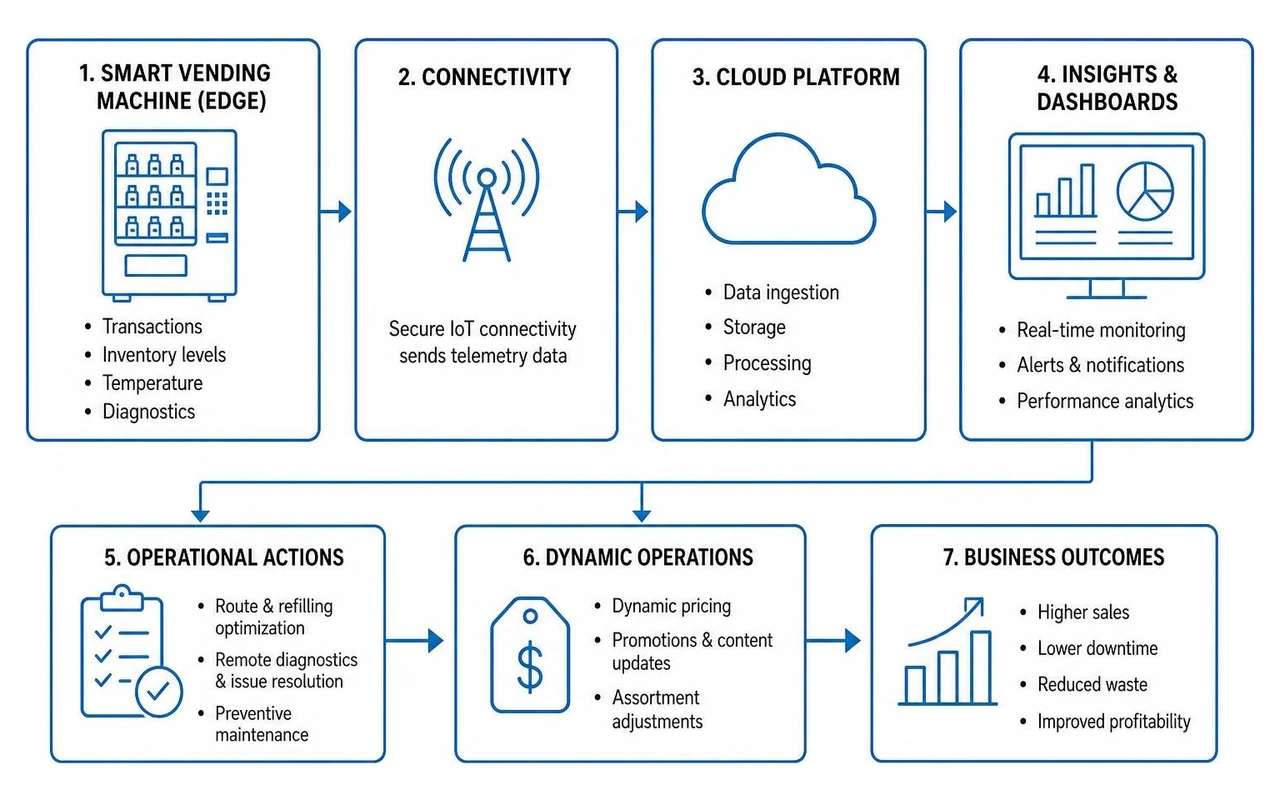
Legacy electro-mechanical units required manual visits just to audit coin tubes and count remaining inventory. Modern smart endpoints utilize onboard telemetry to stream real-time diagnostic alerts, transaction logs, and internal temperature readings to cloud platforms.
This connectivity unlocks dynamic pricing engines, allowing operators to discount short-dated perishables automatically, push seasonal promotions to high-definition touchscreens, and run remote diagnostics that virtually eliminate unexpected field downtime.
The market can be segmented across three primary operational dimensions: product category, technology tier, and transaction processing channel.
| Feature / Metric | Traditional Mechanical Vending | Modern Smart Cashless Vending |
|---|---|---|
| Average Initial Unit Cost | $2,000 – $4,000 | $5,500 – $10,000+ |
| Payment Options | Cash and Coins Only | NFC, Mobile Wallets, QR, EMV Chip |
| Inventory Tracking | Manual On-Site Audit | Cloud Telemetry & Real-Time Dashboards |
| Restocking Efficiency | Fixed Schedule (Higher Waste) | Dynamic Routing (15–20% Cost Reduction) |
| Average Ticket Size | Low ($1.25 – $2.00) | High ($2.50 – $6.00+) |
| Spoilage Rates (Fresh Food) | 8% – 12% | <3% via automated FEFO protocols |
| Average Payback Period | 24–36 months | 12–24 months (High-Traffic Locations) |
Beverage and Fresh Food Diversification
Beverage vending maintains the largest share of the sector, capturing roughly 58% of global volume. Ready-to-drink (RTD) cold brews, functional hydration drinks, and canned sparkling beverages continue to deliver strong inventory turnover.
However, healthy snacking and fresh meal automation are experiencing the fastest demand growth, tracking at a 7.8% CAGR. Consumers increasingly expect nutritious, clean-label alternatives to standard candy bars, including protein snack packs, organic cold-pressed juices, and fresh salads. Deploying optimal vending machine pricing strategies across premium product categories allows operators to capture higher gross dollar margins per transaction.
Cashless Terminals and Mobile Payment Adoption
Cashless transactions now account for approximately 68% of modern vending purchases, with newly manufactured smart kiosks displaying more than 71% out-of-the-box support for digital payment options.
Integrating contactless card readers, QR code scanners, and near-field communication (NFC) modules has transformed the customer experience. Upgrading fleets with contactless card reader integrations speeds up checkout times to under five seconds and captures impulse buys from consumers who rarely carry physical cash.
Regional Dynamics: North America, Asia-Pacific, and European Expansion
Global adoption varies significantly across geographical zones, shaped by infrastructure readiness, urban layout, and consumer payment preferences. According to the Retail Vending Machine Market Report 2026 - Research and Markets, regional installation shares reflect deep pockets of growth across mature and developing territories alike.
The U.S. Automated Retail Landscape
North America represents the largest regional automated retail market by total revenue, accounting for roughly 36% of global sales. The U.S. alone drives approximately 78% of these continental installations, with a domestic retail vending valuation exceeding USD 15.03 billion.
With over 7 million machines operating nationwide and serving roughly 100 million Americans daily, the domestic market is maturing rapidly. Over 69% of U.S. workplace facilities now house smart vending endpoints.
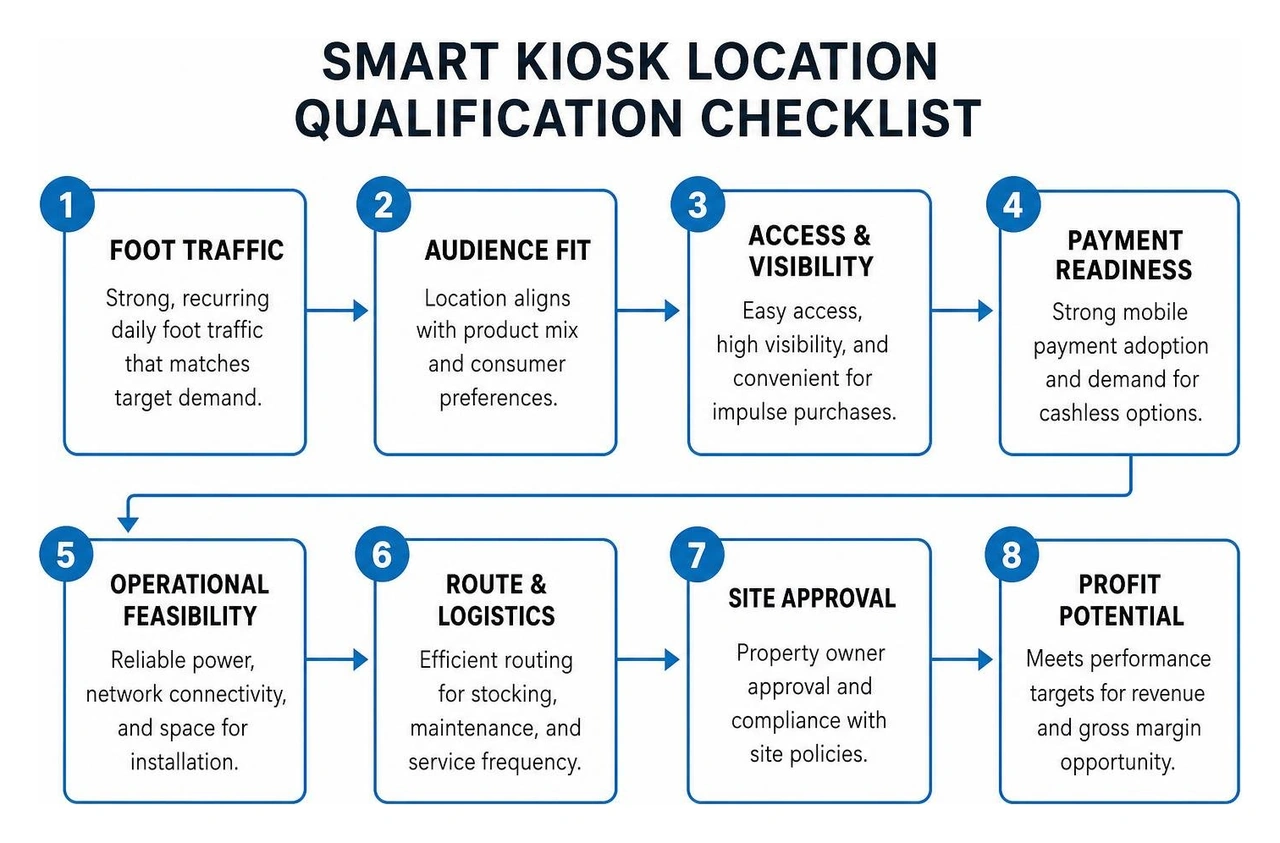
Securing profitable margins in this environment requires identifying sites with strong, recurring foot traffic. Our comprehensive guide to securing high-performing vending machine locations provides actionable blueprints for qualifying manufacturing plants, residential complexes, and healthcare facilities before deploying capital.
High-Density Urban Innovation in Japan and Asia-Pacific
The Asia-Pacific region accounts for 31% of the global fleet and is the fastest-growing market worldwide. Japan remains the global benchmark for per-capita unit density, boasting roughly one machine for every 25 residents in urban areas. Japanese kiosks dispense an array of hot and cold beverages, ready-to-eat meals, and household essentials.
Across mainland China, South Korea, and Southeast Asia, expansion is driven by mobile payment ecosystems. In India, real-time UPI transaction rails have helped unattended kiosks scale quickly without cash-servicing bottlenecks.
Managing routes across these high-density urban corridors requires rigorous schedule management, as covered in our guide on route density and logistics optimization.
Operational Restraints, Capital Economics, and the Future Outlook
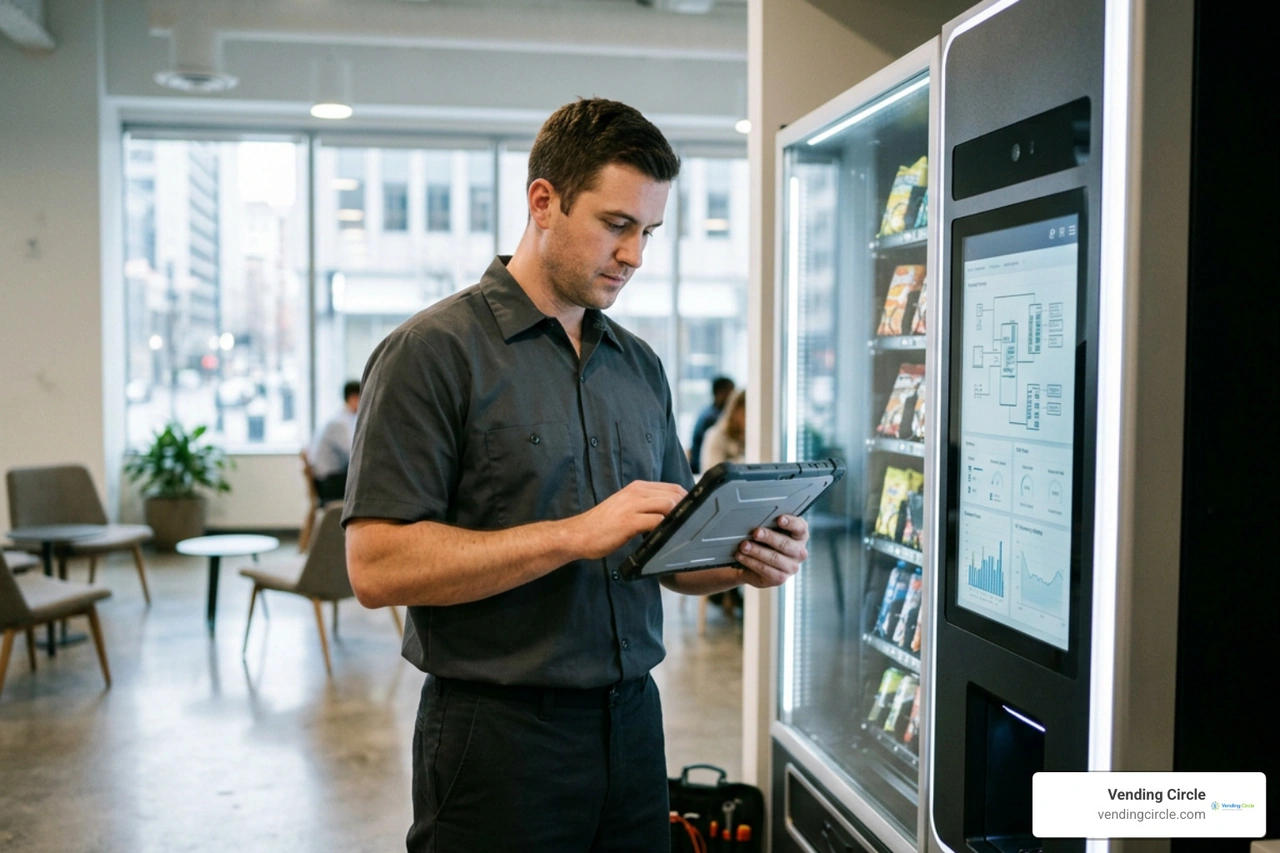
While market growth is robust, operators face real operational hurdles:
- High Capital Expenditure (CapEx): Outfitting a fleet with smart machines, dynamic refrigeration, and touch displays requires substantial upfront funding.
- Maintenance and Component Overhead: High-tech components demand technical upkeep, and supply chain bottlenecks can increase replacement part costs.
- Vandalism and Physical Security: Outdoor units require physical security upgrades, security cameras, and tamper-resistant enclosures.
Operators can mitigate these pressures by utilizing streamlined wholesale supplier procurement to reduce per-unit hardware and replenishment costs.
Overcoming Upfront Costs, Maintenance, and Security Risks
Scaling an automated retail route requires balancing equipment financing with ongoing cash flow. Operators can review flexible equipment financing options to acquire smart machines via leasing or equipment loans without draining liquidity.
On the operational side, using telemetry-based inventory management helps protect profit margins. Telemetry systems flag maintenance issues before they cause extended downtime, track machine-level sales, and verify that payment hardware complies with PCI DSS payment security standards.
Autonomous Retail, Micro-Markets, and Sustainable Fleets
The sector is expanding beyond standalone, single-drop vending machines toward hybrid autonomous retail:
- Micro-Market Conversions: Corporate campuses and logistics hubs are replacing legacy machines with open-shelf micro-markets featuring self-checkout kiosks, often increasing location revenue by 30% to 40%.
- Reverse Vending Machines (RVMs): Spurred by Extended Producer Responsibility (EPR) laws and container-deposit legislation, the RVM segment is expanding at a 10.71% CAGR.
- Energy Efficiency & Eco-Refrigeration: Modern machines use hydrocarbon refrigerants (like R290) and smart LED power management, cutting daily electricity use by up to 28% to support corporate ESG goals.
- Cashless Integration: As detailed in industry coverage on the growing demand for cashless vending machines, operators are converting entire routes to fully digital payment terminals to streamline accounting and eliminate cash-shrinkage risks.
Frequently Asked Questions About the Vending Industry
What is the average payback period for a smart vending machine investment?
Most operators achieve a full return on investment (ROI) within 18 to 24 months on a newly deployed smart connected machine placed in a qualified location generating 40+ paid transactions daily. In high-traffic placements—such as airport concourses, hospital waiting rooms, or multi-shift manufacturing hubs—capital payback timelines often compress to under 12 months.
How do modern operators manage spoilage risk in fresh food machines?
Fresh food operators maintain spoilage rates below 3% by combining onboard refrigeration telemetry with First-Expiry-First-Out (FEFO) dispensing logic. Cloud software monitors internal temperatures in real time and can automatically shut off machine vending if a refrigeration fault occurs, protecting consumers while alerting route drivers. Operators also use dynamic discounting to drop prices on items approaching their shelf-life limits.
What are the main regulatory and accessibility requirements for new placements?
In the United States, commercial placements must comply with the Americans with Disabilities Act (ADA), which dictates maximum reach ranges, tactile keypad indicators, and clear floor access space. Commercial units must also satisfy electrical and food safety standards (such as UL 751 and NAMA certification) alongside FDA calorie-disclosure guidelines for operators running fleets of 20 or more units. European placements must comply with the EU Accessibility Act and CE/WEEE environmental directives.
Conclusion
The automated dispensing industry is entering a new era characterized by frictionless mobile payments, AI-assisted logistics, and expanded product assortments ranging from cold brew to fresh daily meals. Scaling an automated retail business today requires pairing reliable hardware with connected telemetry, strategic site selection, and optimized procurement.
At Vending Circle, we support operators through every phase of building and scaling their businesses. Our learning-and-procurement platform offers weekly live Q&A sessions, step-by-step operating courses, direct-from-manufacturer equipment pricing, and an active professional network.
Whether you are placing your first smart snack kiosk or expanding an established multi-location route, visit our catalog to explore commercial vending machines and discover how our community can help you scale your route efficiently.