The Rise of Cashless Vending: What to Know Before You Buy a Vending Machine with Card Reader
If you want to buy a vending machine with a card reader, here are the best options available in 2026:
| Machine | Card Reader Included | Starting Price | Best For |
|---|---|---|---|
| Haha Pro 542 Nayax | Yes (Nayax Touch) | Varies | Reliable everyday operations |
| Haha Max 620s with Screen | Optional add-on | Varies | Interactive media & custom pricing |
| Haha Plus 440 | Optional add-on | Varies | High-performance traditional combo |
| Haha Ultra 1200 | Optional add-on | Varies | Massive snack & beverage volume |
| Qingo King 509 | Optional add-on | Varies | Sleek, modern footprint |
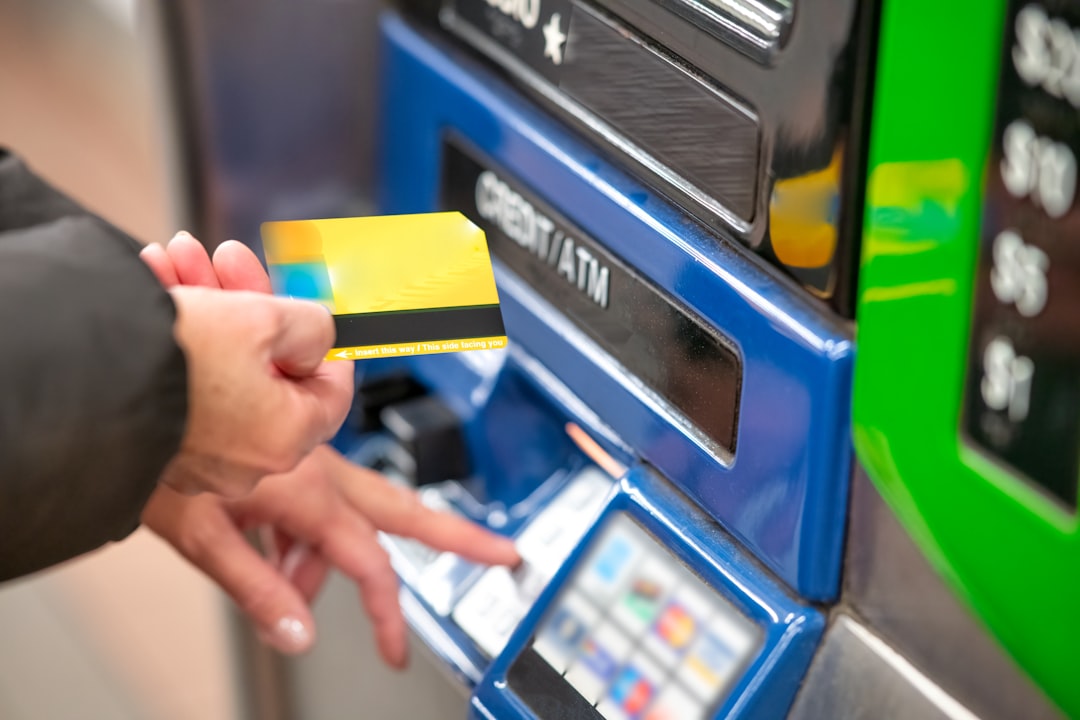
Card readers are no longer optional. In many locations, cash-only machines now underperform compared to machines that accept tap, chip, and mobile payments. Customers who don't carry cash — and that number keeps growing — simply walk away.
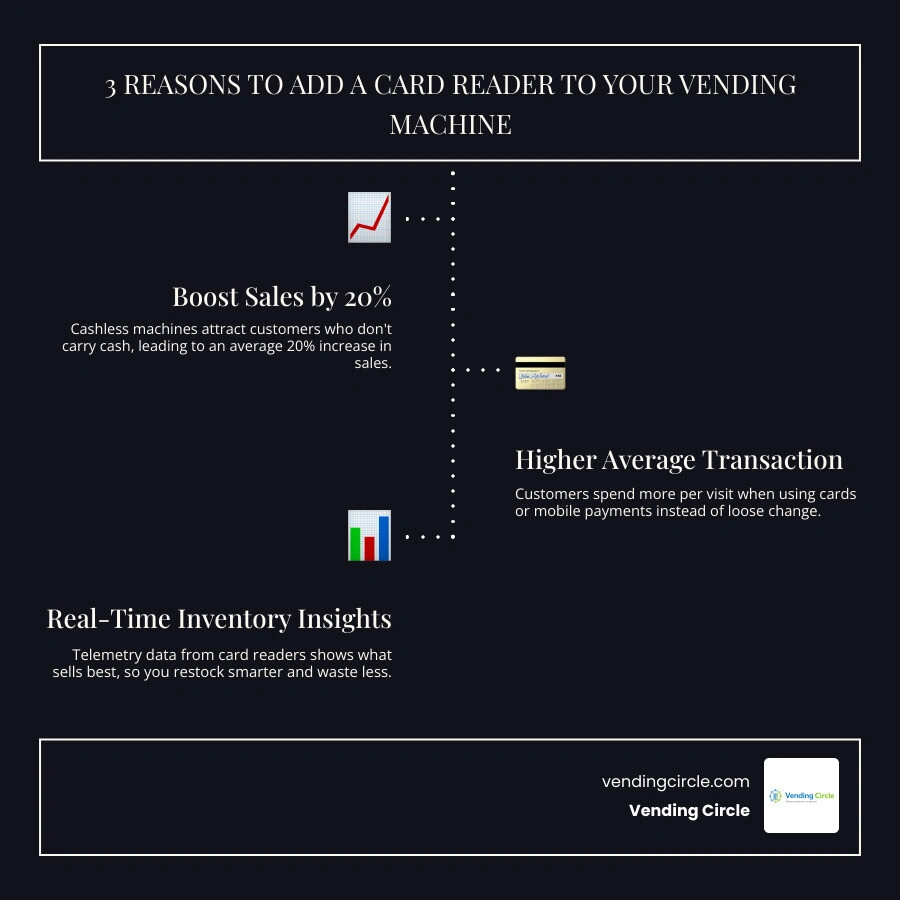
The data backs this up: adding a card reader can boost vending sales by an average of 20%. It also raises the average transaction value, cuts cash-handling hassle, and gives you real-time visibility into what's selling and what needs restocking.
I'm Manuel Mojica, founder of Vending Circle and owner of MM Healthy Vending, and my experience running vending routes taught me how much revenue operators leave on the table without cashless payments — which is exactly why helping operators buy a vending machine with a card reader is central to what we do here. Let's break down the best machines and what to look for before you buy.
Why You Should Buy a Vending Machine with Card Reader in 2026
We live in a world where physical cash is fast becoming a relic of the past. As we navigate through July 2026, the shift toward a cashless society has reached a tipping point. If your vending machine only accepts crinkled dollar bills and shiny quarters, you are essentially putting up a "closed" sign for more than half of your potential customers.
When you buy a vending machine with a card reader, you are not just purchasing a piece of payment hardware; you are upgrading your entire business model. The convenience of cashless transactions translates directly into a massive sales boost.
Beyond simply capturing lost sales, card readers significantly increase the average transaction value. When paying with cash, a customer is limited by the exact physical change in their pocket. If they only have a single dollar bill, they can only buy one low-cost item. With a credit card or mobile wallet, that financial friction disappears. A customer who originally stopped by for a quick bottle of water is far more likely to make an impulse purchase and add a premium snack to their order.
Furthermore, reducing cash handling is a major operational win. Think of the hours spent driving to machines just to empty heavy coin mechanisms, counting cash, sorting paper bills, and making frequent trips to deposit physical money at the bank. Cashless payments streamline your administrative workload, lower the risk of physical theft or vandalism, and keep your business running smoothly in the background.
How Cashless Payments Boost Vending Sales
Modern consumers expect seamless, frictionless interactions. Contactless payments, Apple Pay, and Google Pay have transformed the retail landscape, and vending is no exception. When a customer can simply tap their phone or wave their contactless credit card to complete a transaction, the psychological barrier to spending money drops.
This ease of use is the ultimate driver of impulse buys. If a hungry employee walks past a machine in an office breakroom, a seamless tap-to-pay interface makes it incredibly easy to grab an afternoon pick-me-up. By removing the need to search for exact change or smooth out folded bills, you dramatically increase your customer conversion rates. In fact, industry data shows that in high-traffic areas, machines equipped with modern cashless terminals consistently outperform their cash-only counterparts by substantial margins.
Remote Monitoring and Inventory Management Benefits
One of the most powerful features of a modern cashless setup is telemetry. A card reader does not just process payments; it acts as a cellular gateway that connects your physical machine to the cloud. This connection allows you to monitor real-time sales, track inventory levels, and check machine health directly from your computer or smartphone.
Instead of driving across town only to discover that your machine is still mostly full—or worse, that your best-selling energy drink has been sold out for three days—you can plan your restocking routes with absolute precision. You will know exactly what products to pack in your vehicle before you even leave your warehouse.
To learn more about how to leverage this technology to save time and fuel, check out our comprehensive guide on Vending Machine Inventory Management.
Top Vending Machine Models with Pre-Installed Card Readers
When you are ready to expand your fleet, buying a vending machine that comes with a pre-installed card reader is the easiest way to hit the ground running. These integrated systems ensure that the hardware, payment terminal, and internal software are perfectly calibrated to work together right out of the box, saving you from technical headaches down the road.
Key Factors to Consider Before You Buy a Vending Machine with Card Reader
Before pulling the trigger on a purchase, there are several technical and financial factors you must evaluate to ensure you choose the right system for your route:
- MDB Protocol Compatibility: The Multi-Drop Bus (MDB) protocol is the internal communication standard that allows your vending machine's main controller board to talk to payment devices like bill validators, coin mechanisms, and card readers. Ensure any machine you buy supports modern MDB standards.
- Cellular Signal Strength: Vending card readers process transactions and send telemetry data using cellular networks (typically 4G LTE) rather than local building Wi-Fi. You must ensure your target location has a stable cellular signal from major carriers.
- Ongoing Fees: Operating a cashless machine involves minor ongoing costs, including a monthly software-as-a-service (SaaS) fee for cellular connectivity and cloud portal access, alongside standard credit card merchant processing fees (usually a small percentage plus a flat fee per transaction).
To help you understand your hardware options, here is a quick comparison of the leading card reader brands:
| Feature | Nayax VPOS Touch | Cantaloupe G11 ePort |
|---|---|---|
| Screen Type | High-resolution color touchscreen | Standard digital display |
| Payment Types | Swipe, Chip, Tap, Apple Pay, Google Pay, QR Codes | Swipe, Chip, Tap, Apple Pay, Google Pay |
| Telemetry Support | Advanced real-time cloud portal | Robust inventory & sales reporting |
| Average Hardware Cost | ~$356 | ~$310 |
| Best Suited For | Operators wanting maximum visual engagement and global payment methods | Operators looking for a reliable, industry-standard workhorse |
Best Smart and AI-Powered Combo Vending Machines
If you want to position your business at the cutting edge of retail technology, AI-powered "grab-and-go" machines are a game-changer. Unlike traditional coil machines that physically drop items, these smart systems use an open-door format secured by a pre-authorized payment gate.
A customer taps their credit card or mobile wallet to unlock the door, opens the machine, takes whatever items they want, and simply closes the door. Camera-based AI and weight sensors track exactly what was removed and automatically charge the customer's card. This open-shelf layout naturally encourages multi-item "basket" purchases, as picking up three items feels just as natural as taking one.
For a premium smart experience, an AI-powered smart combo vending machine is an exceptional choice. It runs like a self-serve micro-market, making it perfect for secure, high-traffic indoor locations like offices, gyms, and private campus areas. Because there are no mechanical coils, you can stock high-margin, fresh packaged foods, salads, and premium glass-bottled drinks without worrying about product damage or coil jams.
If you prefer a reliable smart machine with a traditional touch, a smart combo vending machine offers incredible versatility, allowing you to easily adjust shelf heights and slot widths to fit your exact product mix.
In our own Vending Circle fleet, we also highly recommend checking out the Haha Pro 542 Nayax and the Haha Pro 542 for reliable, everyday operations. If you want to maximize visual appeal and customer interaction, the Haha Max 620s with Screen features an interactive display that can showcase promotional media and custom pricing.
Best Traditional and ADA-Compliant Combo Vending Machines
For public locations where physical accessibility and rugged durability are paramount, traditional coil-based combo machines remain the gold standard.
When operating in public facilities, schools, or government buildings, ADA (Americans with Disabilities Act) compliance is often a legal requirement. This means the machine's physical controls, coin slots, card readers, and delivery bins must be positioned within specific height and reach ranges to accommodate individuals with physical disabilities.
An ADA-compliant combo vending machine is a stellar example of an accessible, high-capacity machine. These systems often hold hundreds of items across snacks, candies, and beverages, and feature eco-friendly hydrocarbon refrigeration systems.
Another highly efficient option is a traditional combo vending machine that features a convenient pre-cool compartment to keep extra drinks chilled and ready for immediate restocking. These machines typically support modular payment upgrades, allowing you to easily add your choice of a card reader during checkout.
If you are looking for an all-in-one touch-screen traditional combo, modern touch-screen combo vending machines offer a premium interactive user interface, remote price updates, and guaranteed delivery sensors that ensure customers are never charged if a product fails to drop. For a high-performance, durable alternative within our community, the Haha Plus 440 is another operator favorite that balances capacity, reliability, and modern payment integration perfectly.
Retrofitting vs. Buying New: Upgrading Your Payment Systems
A common question we hear from new operators in our community is: Do I need to buy a brand-new machine to offer card payments, or can I upgrade the cash-only machine I already own?
The answer depends entirely on your current hardware's age, its internal protocol support, and your overall budget. While retrofitting an older machine is a cost-effective way to boost sales without a massive upfront capital investment, buying a new machine with a pre-installed reader saves you installation labor and ensures maximum hardware lifespan.
Can I Add a Card Reader to an Existing Vending Machine?
Yes! If your existing vending machine supports the MDB protocol, retrofitting it with a modern card reader is a straightforward process. For most operators, the physical and technical installation of a card reader takes only 30 to 60 minutes.
Here is a step-by-step overview of how to add a cashless reader to your machine:
- Power Off the Machine: Always disconnect the vending machine from its main power source before touching any internal electronic components to prevent short circuits or electrical shocks.
- Prepare the Mounting Area: Use a manufacturer-provided drill template to mark and drill precise holes on the front panel of your machine (often near the bill validator or keypad), ensuring the location is highly visible and easy for customers to tap or swipe.
- Connect to the MDB Interface: Route the card reader's communication cable inside the cabinet and plug it directly into the machine's MDB harness. If your machine is very old and uses the older Executive protocol, you may need a specialized protocol adapter.
- Restore Power and Configure Settings: Plug the machine back in. Once the system boots up, the card reader will search for a cellular signal and download its network configurations.
- Perform Test Transactions: Use your own credit card or mobile wallet to perform a few test purchases. Verify that the product dispenses correctly, the transaction is approved, and the sale registers accurately on your telemetry cloud dashboard.
Where to Buy a Vending Machine with Card Reader for Your Business
When you are ready to invest, purchasing from a distributor that offers pre-configured setups is highly recommended. Some distributors even offer free installation of your card reader if you purchase the vending machine directly from them, saving you upfront setup costs and ensuring the unit arrives at your location fully ready to plug in and start earning.
If you are looking for high-capacity, heavy-duty commercial machines, we highly recommend exploring the Haha Ultra 1200 for massive snack and beverage volume, or the Qingo King 509 for a sleek, modern, and highly reliable footprint.
Frequently Asked Questions about Cashless Vending
How much does a vending machine card reader cost?
The upfront hardware cost for a quality vending machine card reader typically ranges from $269 to $450, depending on the brand and features (for example, the Nayax Onyx sits on the lower end, while advanced touch-screen models like the Nayax VPOS Touch cost slightly more).
In addition to the hardware, you will need to factor in ongoing operating costs. These include a monthly cellular data and SaaS fee (usually around $10 to $15 per month per machine) to keep the device connected to the network, alongside standard credit card merchant processing fees (typically around 2.5% to 4% per transaction). If you run an AI-powered grab-and-go machine, there may also be minor per-transaction cloud recognition fees (around $0.07).
Do you need Wi-Fi for a vending machine card reader to work?
No, you do not need local building Wi-Fi. In fact, relying on a building's Wi-Fi network is highly discouraged because local network passwords change, signals drop, and security firewalls can block payment processing.
Instead, modern vending card readers are equipped with their own internal SIM cards that operate over major cellular networks (such as 4G LTE). This cellular-first design ensures a secure, stable, and completely independent connection to process transactions and transmit telemetry data from almost any location.
What is the difference between traditional and AI-powered grab-and-go machines?
Traditional vending machines rely on physical coils, spirals, or elevator systems to mechanically dispense one item at a time after cash or card payment is received.
AI-powered grab-and-go machines completely flip this experience. They utilize an open-door, cooler-style layout that is physically locked. To open the door, the customer must first swipe or tap their card to pre-authorize payment. Once the door unlocks, they can freely pick up, inspect, and take multiple items off the shelves. Camera-based AI and weight sensors track exactly what they keep, and the transaction is automatically processed the moment they close the door. This layout eliminates mechanical coil jams and naturally encourages customers to buy multiple items at once.
Conclusion
Modernizing your vending business is the single fastest way to secure a strong return on your investment. By choosing to buy a vending machine with a card reader, you eliminate purchasing friction, capture impulse buyers, and gain access to powerful remote monitoring tools that save you countless hours of physical labor.
Whether you opt for a cutting-edge AI smart machine or a rugged, ADA-compliant traditional combo, going cashless is no longer a luxury—it is a fundamental requirement for growth in 2026.
If you want to master the vending business, access exclusive manufacturer-direct pricing, and connect with a thriving network of active operators, we invite you to learn more about our community. Discover What is Vending Circle and how our combined learning-and-procurement platform can help you scale your routes.
Ready to find the perfect hardware for your next location? Explore our full range of machines today!