Is an Ice Vending Machine Worth the Investment?
Ice machine profit depends more on the location than the machine. Published estimates for a well-placed unit range from about $800 to $3,500 a month after operating expenses, but a slow site can lose money. Before you buy, ask three questions: How many bags could this site sell year-round? What will the machine and site cost in full? How long will it take to earn that investment back?
I’m Manuel Mojica, founder of Vending Circle and former owner of MM Healthy Vending. My vending experience shapes how I evaluate ice machine profit: start with a realistic sales forecast, then account for every cost and the work needed to keep the machine running.

Simple ice machine profit word guide:
1. How much can one ice vending machine realistically earn?
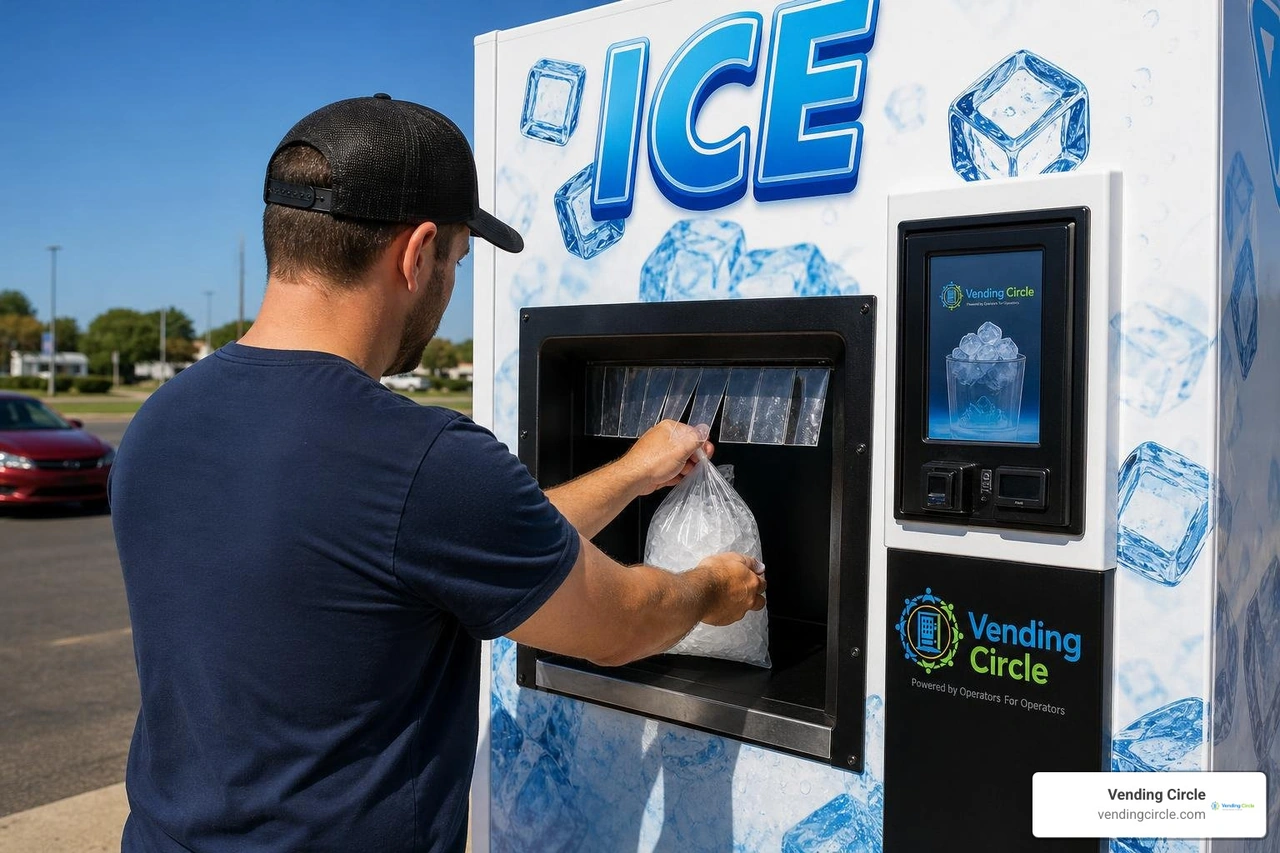
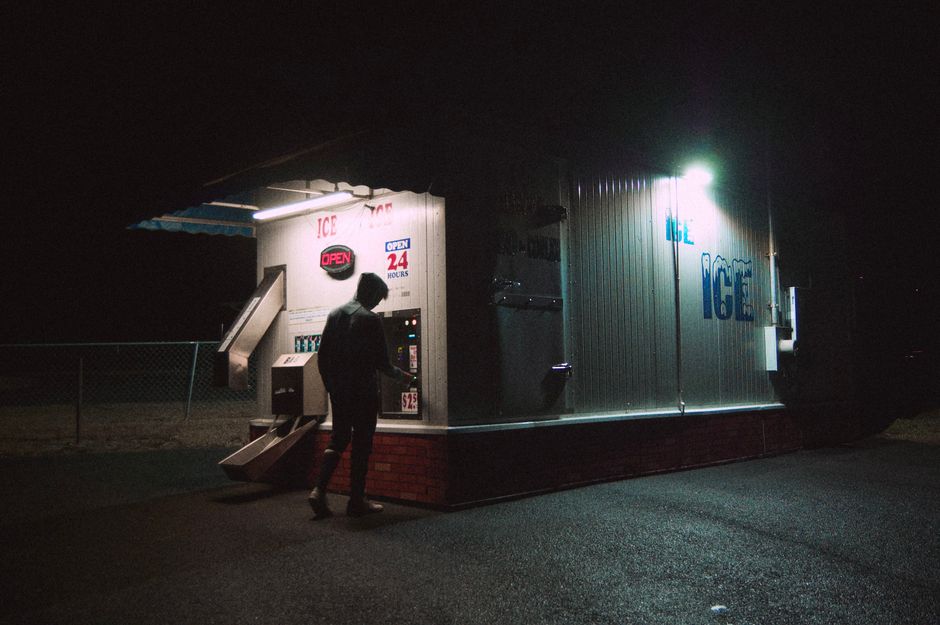
An ice machine turns water and electricity into something people buy on hot days. The machine makes ice, stores it in a bin, and drops it into a bag when someone pays. There is no inventory to haul around, which is why this category gets so much attention.
One well-known example: a Florida operator told Business Insider that two machines brought in $33,000 in revenue in about eight months, with roughly two hours of work a week. His story is useful in his own words, Ice Vending Machines: How I Built an Almost Passive Second Income, but notice it is revenue, not profit, and it comes from one successful operator at a beach destination. Treat it as a ceiling, not a forecast.
What does ice machine profit look like in a realistic month?
Most single machines gross between $1,200 and $6,000 a month. After electricity, water, lot rent, and maintenance, owners typically keep $800 to $3,500. A slow site that sells fewer than 10 bags a day may bring in only about $600 a month, which can fail to cover rent and utilities. At the other end, a standout spot can sell 150 bags in a July day, but please do not plan around that number.
Here is how the scenarios break down at about $2.50 a bag:
| Scenario | Bags per day | Approx. monthly gross | Approx. monthly net |
|---|---|---|---|
| Conservative | 10 to 15 | $750 to $1,100 | $400 to $700 |
| Moderate | 25 to 35 | $1,900 to $2,600 | $1,000 to $1,800 |
| Strong | 50 | $3,750 | $1,500 to $2,800 |
Net figures vary because rent, machine size, and repair costs vary. Some sources also publish much higher net claims, often from manufacturers, so I prefer the more cautious ranges. Revenue is seasonal too: in warm states, May through October can bring about 70 percent of yearly sales, while cold climates may see under 10 percent from November through March.
How do you calculate ice machine profit after every cost?
Gross revenue is what customers pay. Net profit is what remains after every cost. The difference is where many new buyers get surprised.
Variable costs per bag are small. Water, electricity, the bag, filters, and card processing usually total about $0.25 to $0.45 for a 20-pound bag. Card readers typically take 3 to 5 percent of sales. Fixed costs are the bigger concern: site rent (often $200 to $800 a month or a percentage of sales), insurance, cellular monitoring, a repair reserve, and taxes.
Use this simple break-even formula in plain language:
- Profit per bag = bag price minus variable cost per bag
- Bags needed per month = fixed monthly costs divided by profit per bag
- Bags needed per day = bags per month divided by 30
For example, fixed costs of $600 a month, a $2.50 price, and $0.35 variable cost leave $2.15 per bag. You need about 279 bags a month, roughly 9 a day, just to break even. To earn $1,500 a month on top of costs, you need around 1,000 bags a month, or about 33 a day. Setting aside about 10 percent of gross sales for repairs is a sensible habit.
2. Are ice vending margins strong after startup and operating costs?
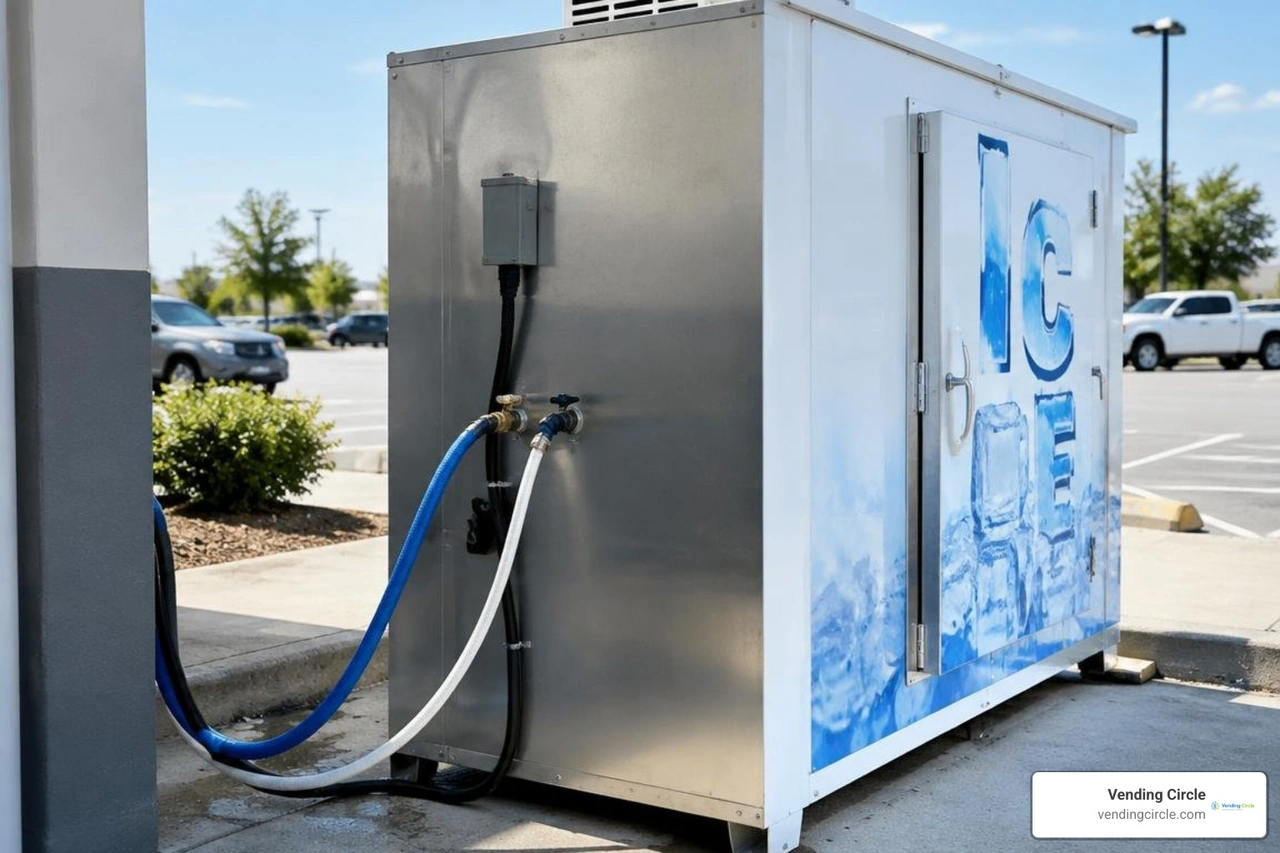
Margins per bag look wonderful. The harder question is whether the margin survives the price of the machine, site preparation, permits, utilities, insurance, and financing. Our vending machine costs guide is a good companion for budgeting across categories.
What are the typical margins, and how do they compare with other vending?
A bag of ice sells for about $2 to $3 and costs a few tens of cents to make. That produces gross margins in the range of 70 to 98 percent depending on what you count. Material-only figures sit at the top, while figures that include rent, repairs, and fees drop sharply. After utilities, maintenance, and restocking, some sources put net margins at 50 to 65 percent, and others at 70 to 80 percent for well-placed machines.
| Measure | Ice vending | Traditional snack and drink vending |
|---|---|---|
| Material-only gross margin | About 95 to 98 percent | Around 50 percent median gross (NAMA, 2022) |
| Net margin, well-placed unit | About 50 to 80 percent | About 20 to 40 percent |
| Inventory to restock | None; the machine makes it | Weekly or bi-weekly |
| Cost per machine | Much higher | Much lower |
Here is the apples-to-apples caveat: a snack machine earns less per sale but costs a fraction of the price, and a snack machine in a decent spot can pay off quickly. Ice has fat margins but needs a big upfront check and fewer, bigger bets. Percentages are not dollars. A 60 percent margin on $1,000 of sales is less than a 30 percent margin on $4,000.
What does it cost to start and keep a machine running?
Prices vary widely by output:
- Entry machines run roughly $6,000 to $12,000 for light output, though many guides put small commercial units at $17,000 to $35,000.
- Mid-size machines commonly run $35,000 to $70,000.
- Large kiosks can run $70,000 to $150,000.
- Used machines may cost $8,000 to $15,000, but an older compressor failing in July can wipe out a month of profit.
Be wary of very cheap listings with very short payback claims. They often use low machine prices and best-case sales.
Then add the rest of the stack:
- Delivery and installation: $500 to $3,000, with larger machines adding $2,000 to $10,000 for freight and lot preparation
- Electrical work, plumbing, and drainage (reverse osmosis systems produce wastewater, roughly 3 gallons for every 1 gallon of product water)
- Permits and business license: about $50 to $500
- Signage and lighting: $300 to $2,000
- Site lease: $200 to $800 a month, or 5 to 15 percent of sales
- Bags, filters, cellular service ($10 to $20 a month), and insurance
- A working-capital cushion for slow months and repairs
Typical owner-reported operating costs are $400 to $900 a month. Water movement matters too, so see our notes on an ice machine water pump if you are weighing parts and service. Financing is common: a $25,000 machine at 8 percent over 48 months is roughly $610 a month, so include that payment in your cash flow check.
3. Can your location repay the investment and support the workload?
Location is the asset. A basic machine in a great spot beats a premium machine in a poor one. Look for easy vehicle access, visibility, nearby water and power, and a low chance of a competitor undercutting you. One convenience store selling 20-pound bags for $1.99 two blocks away can reshape your numbers. Our vending machine placement tips cover the fundamentals.
Which locations can generate enough sales for a reasonable payback?
Proven candidates include:
- Gas stations and truck stops, often called the gold standard
- Convenience stores and grocery store lots
- Marinas, boat ramps, campgrounds, and RV parks, where visitors buy repeatedly during a stay
- Car washes and apartment complexes
Look for roughly 1,000 or more vehicles a day. Do not trust a demographic report alone: count cars yourself on a weekday and a weekend, at different hours, across at least three candidate sites. A busy boat ramp in July can sell out before noon, while the same machine on a quiet road might sell five bags on a good day.
Get the site agreement in writing. Ask for a month-to-month or one-year exit clause, clear terms on rent or revenue share, who pays utilities, and exclusivity if possible. Road construction can kill traffic for a year, so that exit clause is not paranoia. Our ice machine locator guide can help you find and compare candidate spots.
How do seasonality, water sales, and upkeep change the return?
Summer is the peak. Warm-climate sites hold up better, while northern sites may see revenue drop 50 to 70 percent in winter. To soften the slow months, consider:
- Seasonal lease terms or a lower rent in winter
- Wholesale customers such as restaurants, event organizers, and food trucks
- A mix of locations in different climates once you scale
Adding purified water vending can lift total revenue by roughly 20 to 40 percent over ice-only units, and it draws customers who do not need ice. A common ratio is about three 5-gallon water vends for every ten bags of ice.
Now the work. Ice machines are semi-passive. Plan for about 5 to 10 hours a week per machine at first for cleaning, refilling bags if the unit is not self-bagging, and handling problems. Replace water filters about every 6 months, wipe the exterior weekly, and schedule a professional cleaning every few months. Remote monitoring helps with sales alerts and downtime, and a clean, well-lit machine with a camera signals clean ice. For routines, see our machine maintenance tips. Keep a repair reserve, because downtime in July costs real money.
Frequently Asked Questions About Ice Machine Profit
How long does it usually take to pay back an ice vending machine?
Divide the installed cost by monthly net income. Independent owner reports usually land between 14 months and 3 years, and some run to 4 years. A mid-size $48,000 machine netting about $1,900 a month took around 26 months in one reported case. A seasonal northern marina machine took three summers. Manufacturer claims of 3 to 6 months usually assume a very cheap machine and strong sales, so be cautious with them.
What permits and utilities might an ice vending site need?
Ice is a food product, so expect a business license, zoning or building approval, and often a food or water vending permit and local inspections. Rules vary by jurisdiction, so call your local health department first. You will need potable water (about 40 to 80 PSI), a drain, and power. Small units may run on 120V, while many commercial machines need a dedicated 240V circuit at 30 to 50 amps. Apply for permits before the machine arrives.
Is an ice vending machine passive income, and what mistakes should new operators avoid?
It is semi-passive. You will do routine visits, keep bags stocked, keep the area clean, and respond quickly when service is needed. The most common mistakes are:
- Buying before securing a site
- Underestimating installation costs
- Planning around peak July sales
- Signing a weak lease with no exit
- Ignoring nearby competition
- Forgetting a seasonal budget and repair fund
Conclusion
An ice vending machine can be worth it, but only when the numbers hold up on a cautious day. Build a conservative sales forecast, run a full-cost break-even, and validate the location with your own traffic counts before you spend anything. If the machine still pays itself back in a timeline you can live with, you have a real business instead of a hopeful video.
At Vending Circle, we are an operator community and marketplace with weekly live Q&A, courses, and manufacturer-direct pricing, so you can compare notes with people who have done this. Start by using our guide to find and evaluate an ice vending location.