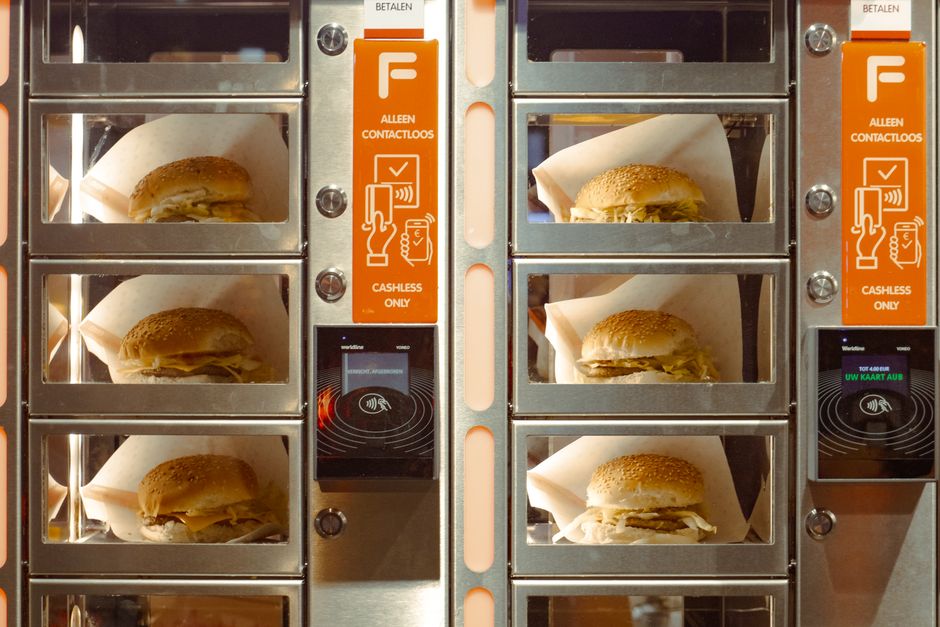
How to Choose a Vending Machine That Accepts Credit Cards
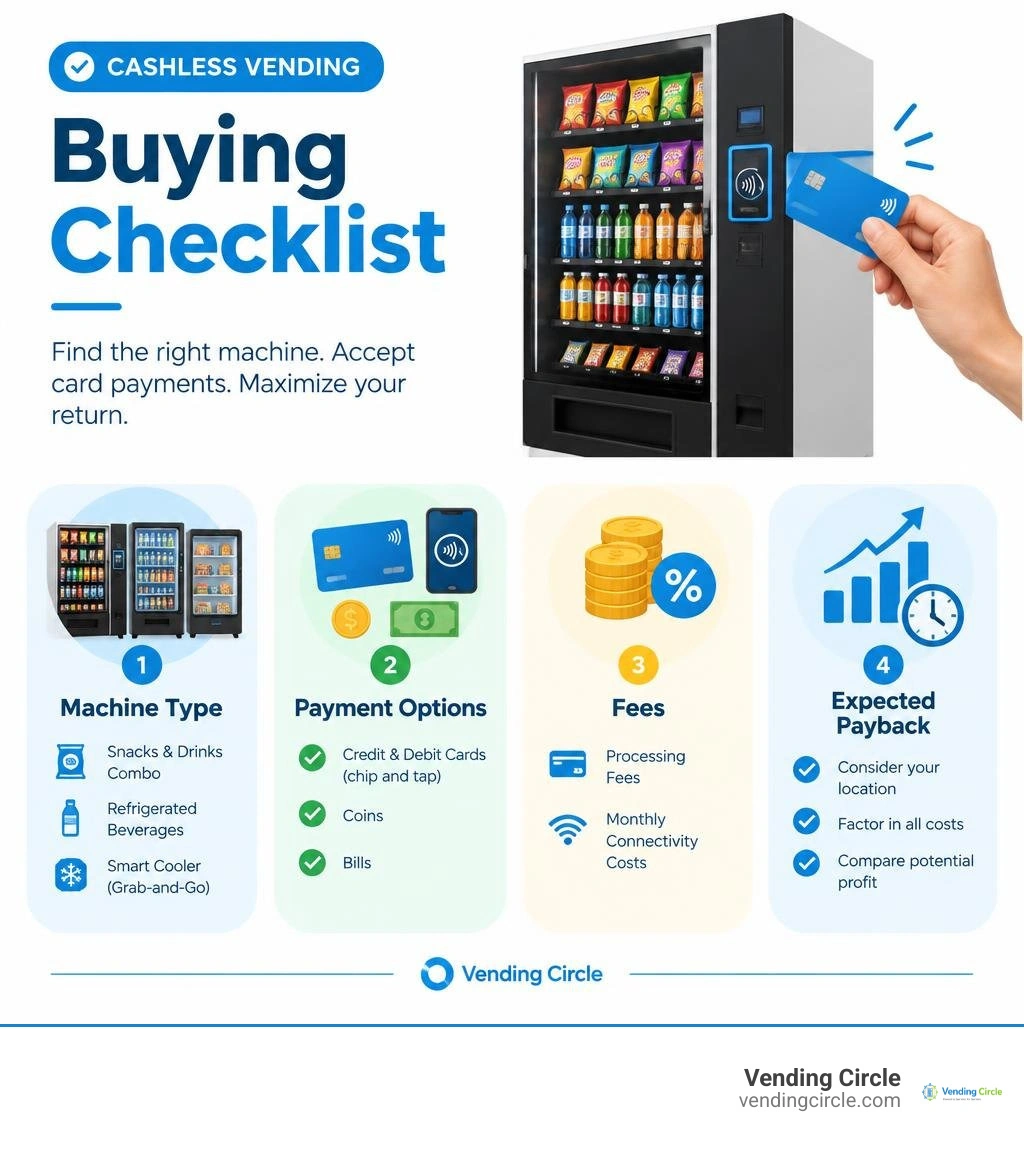
To buy a vending machine that accepts credit cards, match the equipment to what you plan to sell: a combo machine for snacks and drinks, a refrigerated machine for beverages, or a smart cooler for grab-and-go items. Before ordering, confirm that it supports chip and tap payments, then compare capacity, processing fees, monthly connectivity costs, and service access. If your customers use cash, check that the machine accepts coins and bills too.
Card payments can help you make sales when customers have no cash. But a sales boost is not guaranteed. Judge each machine by the profit it could earn at your location after payment and operating costs.
I'm Manuel Mojica, founder of Vending Circle and owner of MM Healthy Vending. That operator experience shapes how I evaluate a vending machine that accepts credit cards: by what it costs to buy, stock, and keep running.
Explore more about vending machine that accepts credit cards:
Why Every Modern Route Needs a Vending Machine That Accepts Credit Cards
Operating in today's convenience market means meeting consumers where they are. In 2026, fewer people carry paper currency, and relying strictly on dollar bills leaves money on the table. Adding a cashless payment reader to your equipment can increase overall machine revenue by approximately 30%. When you make checkout completely frictionless, you remove the barrier between an impulse craving and an instant sale.
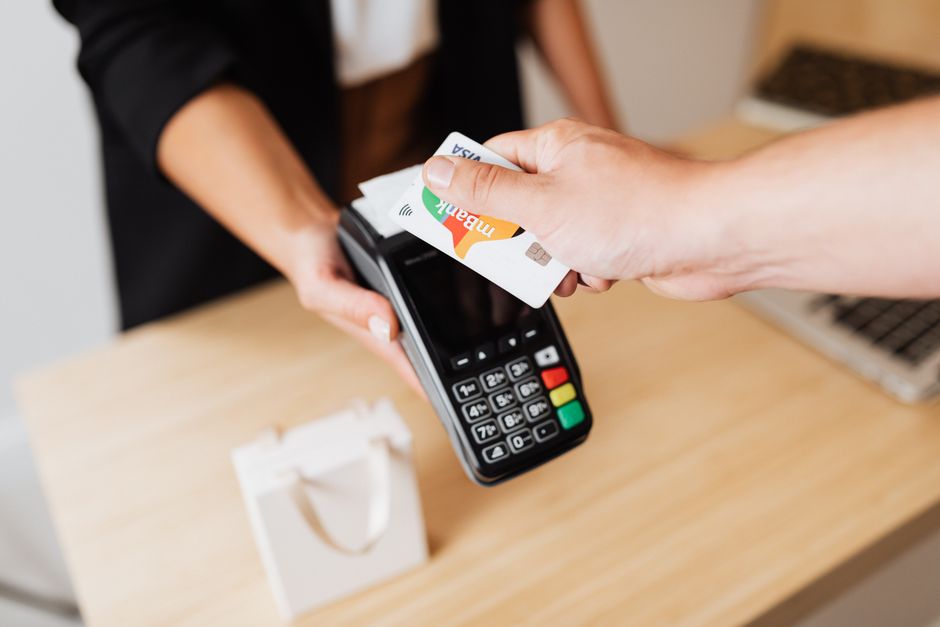
Beyond capturing walk-by foot traffic, cashless technology streamlines day-to-day operations. Adopting digital payments can reduce operational costs by up to 20% by cutting the time your route drivers spend counting coins, clearing bill jams, and making bank deposits. Furthermore, cashless customers tend to buy more. When consumers use plastic or digital wallets, they are far less price-sensitive, leading to higher average ticket sizes and frequent multi-item cart purchases. If you are looking to scale your route, you can buy a vending machine with card reader already configured to capture these higher margins immediately.
Cashless Payment Methods and Mobile Wallet Technology
Modern cashless terminals do far more than read magnetic stripes. High-performing payment bezels integrate Near Field Communication (NFC) alongside EMV chip contact pads and magnetic swipe tracks. This allows customers to tap physical debit or credit cards or use smartphone wallets like Apple Pay, Google Pay, and Samsung Pay.
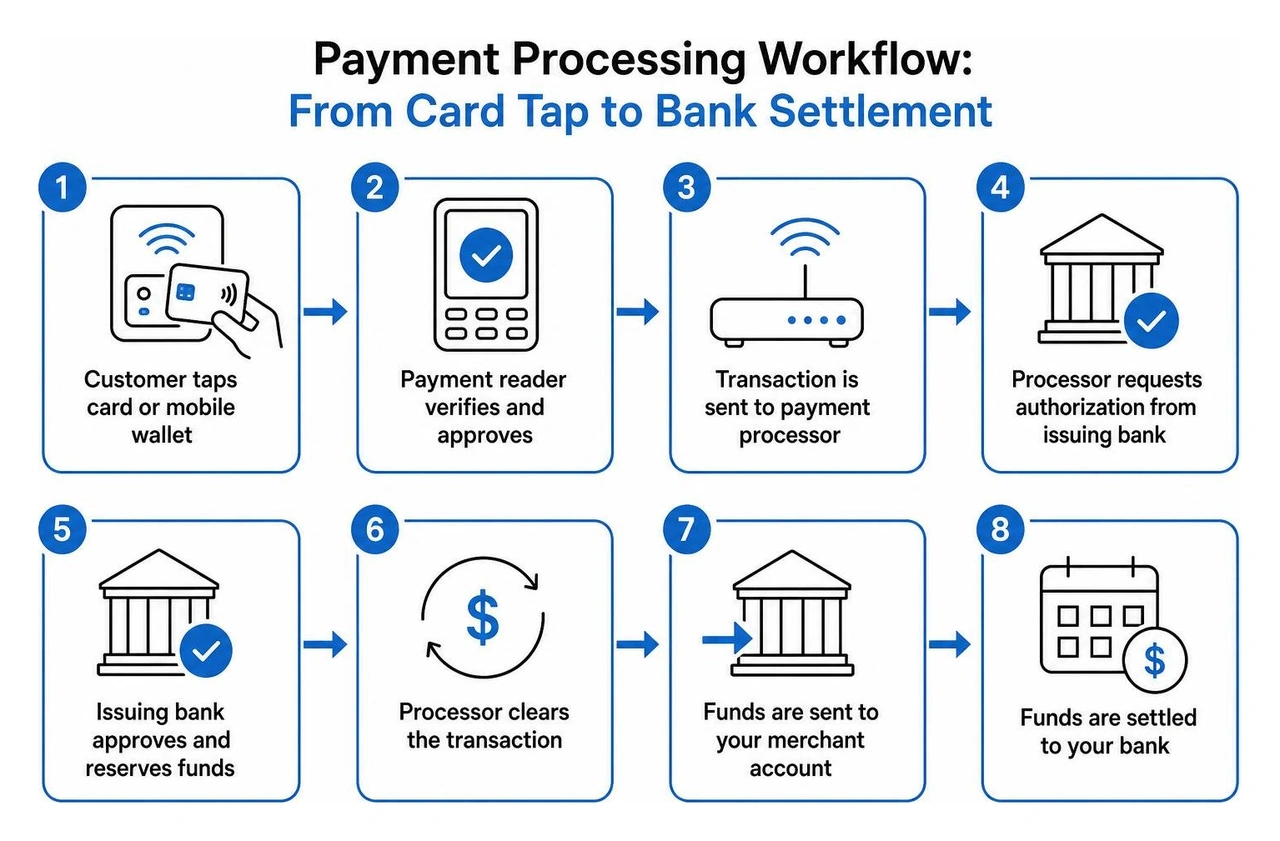
Security remains paramount when handling digital transactions. Top-tier payment hardware meets strict PCI-DSS compliance standards, utilizing point-to-point encryption (P2PE) to protect customer data during transmission. To explore the hardware standards shaping the industry, review our vending cashless reader guide for 2026.
Dual Payment Systems: Combining Cash, Coins, and Digital Transactions
Going cashless does not mean alienating cash users. Hybrid machines combine traditional bill validators and multi-tube coin changers with a sleek card bezel. This gives every customer a choice while steadily modernizing your cash flow.
When you install a credit card swipe vending machine, card usage typically grows to represent 70% to 85% of total transactions over time. In fact, most operators see over 85% card adoption within just 3 to 6 months of upgrading. This massive shift toward digital tender drastically minimizes cash on hand, protecting your machines from vandalism and physical break-ins while improving reconciliation accuracy during route audits.
Top Commercial Equipment Options for Cashless Operations
Selecting the right commercial hardware depends on your location demographics, available floor space, and product strategy. Whether you are servicing an office breakroom, university common area, manufacturing plant, or transit center, choosing a reliable, factory-integrated cashless machine ensures long-term uptime. For an in-depth breakdown of individual hardware components, check our vending machine card readers guide.
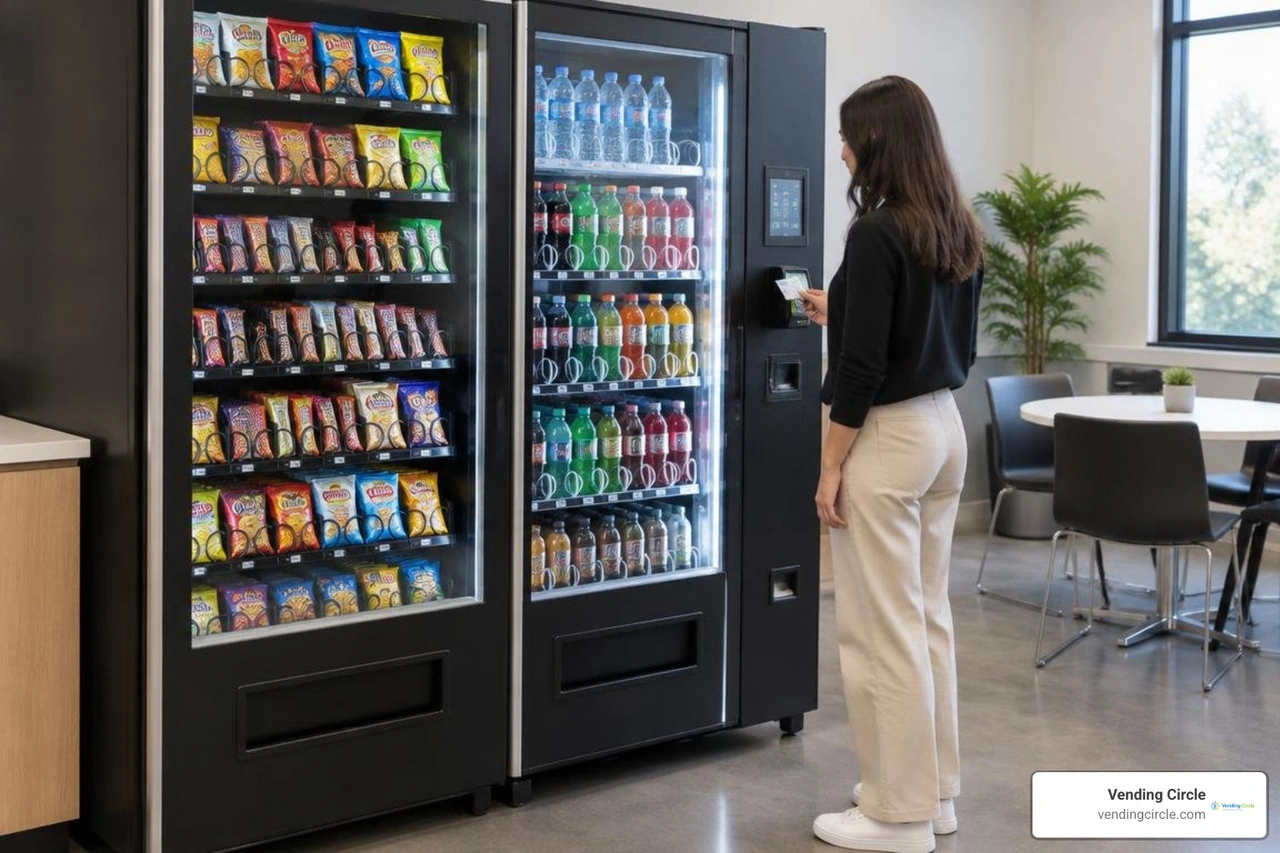
Selecting a Combo Vending Machine That Accepts Credit Cards
Combination machines are the workhorses of the vending industry, offering snacks, candy, and chilled beverages from a single footprint.
- ePay Combo Vending Machine - Crane Vend: Built specifically for cash-free operations, this model supports flexible pricing from $0.00 up to $99.95. It features 20 snack and 9 drink selections with an overall capacity of 217 snack items and 136 cold beverages. It includes an ADA-compliant Braille keypad and an integrated drop-sensor delivery guarantee to ensure customer satisfaction.
- CRANE Merchant 6 Media Combination, Model 472 Snack and Drink Vending Machine: A premium machine holding 44 selections (12 snack, 12 candy, 20 beverage) weighing 635 lbs. It features an interactive 9-inch touchscreen that supports multi-product cart purchasing and allows customers to browse items before paying. Its card processing integrates smoothly with an operating profile featuring a 5.4% processing rate and a $6.95 monthly cellular fee.
- Seaga Envision ENV5C 36 Selection Snack and Soda Refrigerated Vending Machine: Offering a 375-item total capacity (279 snacks and 96 drinks), the ENV5C utilizes eco-friendly R290 refrigeration. Equipped with an ePort cashless reader running at $7.95 per month and a 5.95% transaction rate for sub-$2 purchases, it provides bright LED lighting, FIFO product loading, and full ADA compliance.
Specialized Smart Coolers and Touchscreen Hardware
For high-end retail environments and specialized product categories, smart coolers and interactive kiosks provide exceptional margins:
- HAHA Vending Smart 440 Plus Cooler: Using smart visual recognition, this cooler holds up to 288 bottles across 6 shelves. Customers swipe their card to unlock the door, grab their drinks, and walk away. The AI camera tracks selections with 99% accuracy. Operating fees include a $15/month SIM connection, a $15/month plus $0.05/transaction app fee, and a $10/month plus 5.95% POS fee.
- Vape Vending Machine (Standing Unit) HyperBot: Engineered for high-ticket specialty retail in age-restricted venues, this unit houses 24 product lanes holding up to 288 disposable vapes. Outfitted with a 43-inch HD touchscreen and an integrated payment reader, it delivers an average net profit of $15.63 per sale and an estimated monthly net profit of $2,345.
- Mini Smart 32 Inch Touch Screen Free Standing Card Vending Machine: Ideal for sports cards, collectibles, or compact tech accessories, this machine features a 32-inch touchscreen for video advertising and dynamic menu browsing. It has a capacity of 150 to 200 items, low power draw (80–100 watts), and hardware costs ranging between $884 and $1,035 per set depending on volume.
Machine Comparison and Technical Specifications
| Equipment Model | Primary Best Use | Item Capacity | Display & Interface | Payment Integration | Standard Operating Fees |
|---|---|---|---|---|---|
| ePay Combo | Mid-size offices, schools | 353 items (217 snacks, 136 drinks) | Digital keypad with Braille; ADA compliant | Built-in cashless bezel & mobile pay | Custom gateway fees |
| CRANE Merchant 6 (Model 472) | High-traffic retail & corporate hubs | 44 selections; compact commercial frame | 9" color media touchscreen | Integrated swipe, tap, Apple/Google Pay | 5.4% processing + $6.95/mo cellular |
| Seaga Envision ENV5C | Breakrooms, gyms, industrial plants | 375 items (279 snacks, 96 drinks) | Braille keypad with LED selection screen | ePort G10 cashless reader (tap/chip/swipe) | 5.95% (<$2) + $7.95/mo connection |
| HAHA Smart 440 Plus | Grab-and-go micro markets, fitness centers | Up to 288 bottles (420 bottle volume) | Transparent glass with AI vision tracking | Integrated PAX cashless terminal | 5.95% + $10/mo POS, $15/mo app, $15/mo SIM |
| HyperBot Standing Unit | Bars, nightclubs, smoke shops | 288 units across 24 product lanes | 43" HD commercial ad touchscreen | VPOS Touch contactless reader | Standard card processing fees |
| Mini Smart 32" Kiosk | Arcades, trading card shops, malls | 150–200 items | 32" full-view touch interface | Cashless reader, bill acceptor, QR module | Provider dependent |
Hardware Economics, Telemetry, and Operational Setup
Equipping your machines with modern card readers requires a clear understanding of upfront investments, recurring connectivity charges, and backend software capabilities. For a broader overview of hardware solutions, explore our vending card readers guide.
Hardware Costs, Processing Fees, and Fast ROI Timelines
Upgrading an existing machine or outfitting a used fleet with card hardware typically costs between $200 and $600 per machine for the reader, with installation labor averaging $50 to $100 if you hire a technician. Payment processing fees generally fall between 3% and 5% per transaction, accompanied by a small monthly cellular subscription (typically $6 to $12) to maintain continuous internet connectivity.
Despite these minor costs, the return on investment is swift. Because card readers reliably increase top-line sales by 20% to 35%—and in some deployments up to 88%—operators usually recoup their total hardware investment within 4 to 8 months. High-traffic placements like transportation centers, hospital waiting rooms, and busy warehouse facilities can see full payback in as little as 6 to 8 weeks. For a detailed cost model, consult our vending machine card reader guide.
Telemetry, Remote Price Updates, and Inventory Management
Modern card readers act as powerful telemetry hubs. Using integrated management suites and mobile apps, operators can access real-time operational data from anywhere:
- Dynamic Transaction Monitoring: Watch live sales roll in across your entire route right from your smartphone.
- Remote Price Changes: Adjust item prices instantly across multiple machines without driving to the location.
- Inventory Tracking & Pre-Kitting: View real-time stock levels to pack exact picklists before leaving your warehouse, eliminating wasted trips and trunk stock.
- Customized Machine Alerts: Receive instant notifications for technical faults, coin jams, or temperature spikes in refrigerated units.
Reader Installation, Wiring, and Offline Functionality
Installing a card reader is straightforward. Most contemporary units use plug-and-play Multi-Drop Bus (MDB) harnesses that connect directly into your vending machine controller (VMC) board. If you are retrofitting existing equipment, our walk-through on adding a card reader to a vending machine breaks down the physical mounting process step by step.
What happens if cellular connectivity drops? High-grade readers include built-in offline transaction caching. When a network connection is lost, the reader safely stores approved payment authorizations locally using encrypted memory and automatically batch-processes them the moment 4G LTE or Wi-Fi connectivity is restored.
Frequently Asked Questions About Cashless Vending
How does a customer use a phone to pay at a vending machine that accepts credit cards?
Customers simply open their mobile wallet (such as Apple Pay, Google Pay, or a dedicated payment app) and hold their smartphone or smartwatch within an inch of the reader's contactless NFC logo. The reader immediately communicates with the phone, validates the digital token, and authorizes the vend in less than two seconds.
Do operators need a separate merchant account for card processing?
In most cases, no. Modern vending payment providers supply an all-in-one payment gateway and merchant processing account out of the box. Transaction funds are automatically aggregated, processed, and deposited directly into your business bank account on a weekly schedule, simplifying your backend bookkeeping. For more information on handling card processing setups, see our vending machine cards guide for 2026.
How are customer refunds and dispense error complaints handled?
Modern machines minimize refund headaches using optical drop sensors (such as guaranteed delivery systems) that cancel the transaction if an item fails to fall. If a customer complaint does occur, you can issue an instant, one-click refund through your online management dashboard. The funds return to the customer's card within 3 to 5 business days without requiring an on-site service visit.
Conclusion
Upgrading your route with cashless payment capabilities is one of the most effective ways to boost revenue, lower operational friction, and secure your machines against theft. In an economy where tap-and-pay is the default consumer preference, card-accepting equipment gives your vending route the competitive edge it needs to scale sustainably.
At Vending Circle, we bring operators together with weekly live Q&A sessions, hands-on masterclasses, manufacturer-direct pricing discounts, and an active network of route professionals sharing real-world business insights. Ready to take your business to the next level? Join our community today to upgrade your route with advanced vending card readers and unlock manufacturer-direct pricing on top-tier commercial equipment.